


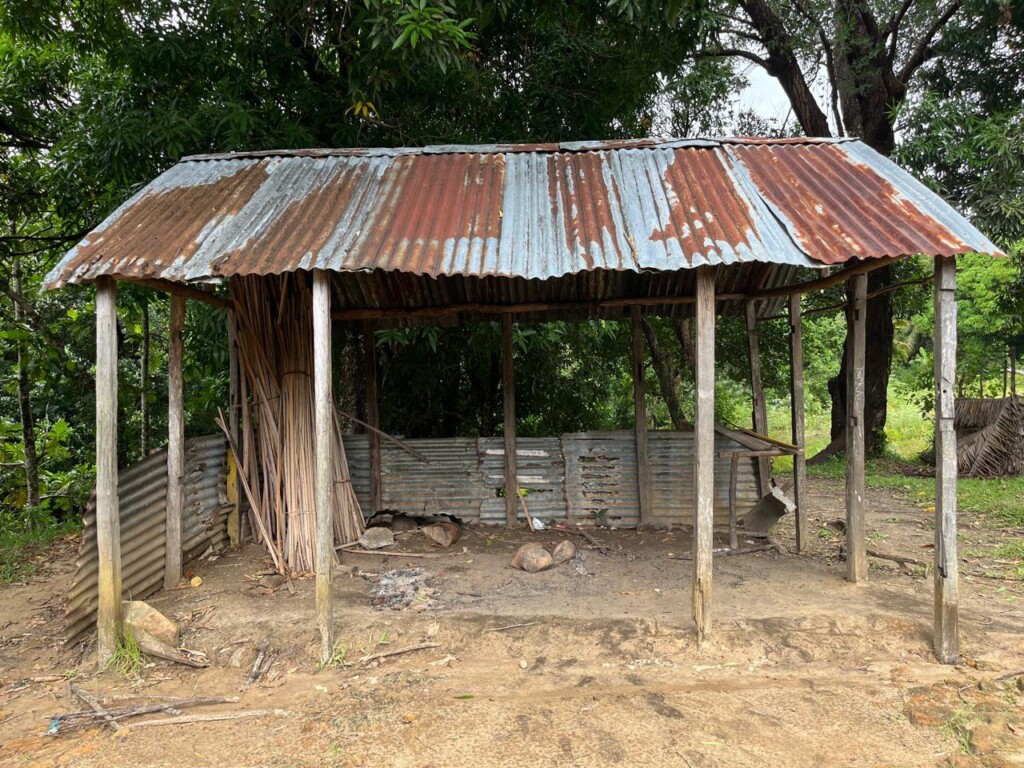
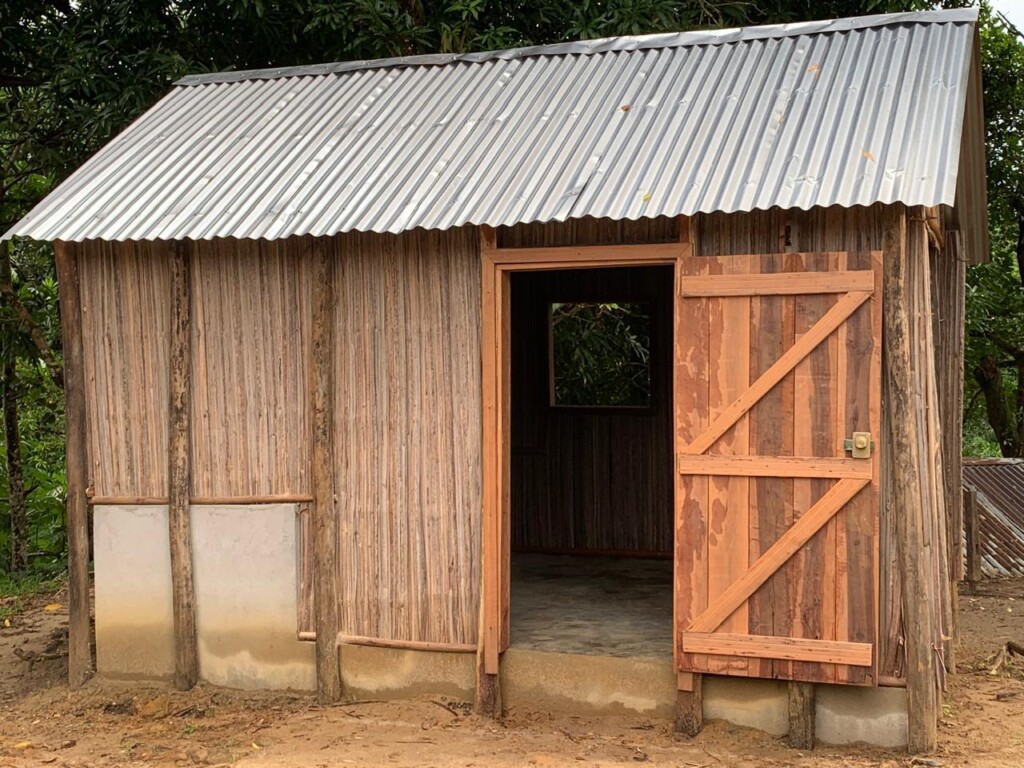
The Agnafiafy School Kitchen is NORA-Madagascar’s flagship infrastructure project. Located at the elementary school In Agnafiafy on the east coast of Île Sainte-Marie, this permanent facility is nourishing 240 students and support their dedicated teaching staff.
Local Anchoring: A Structure Built by the Community
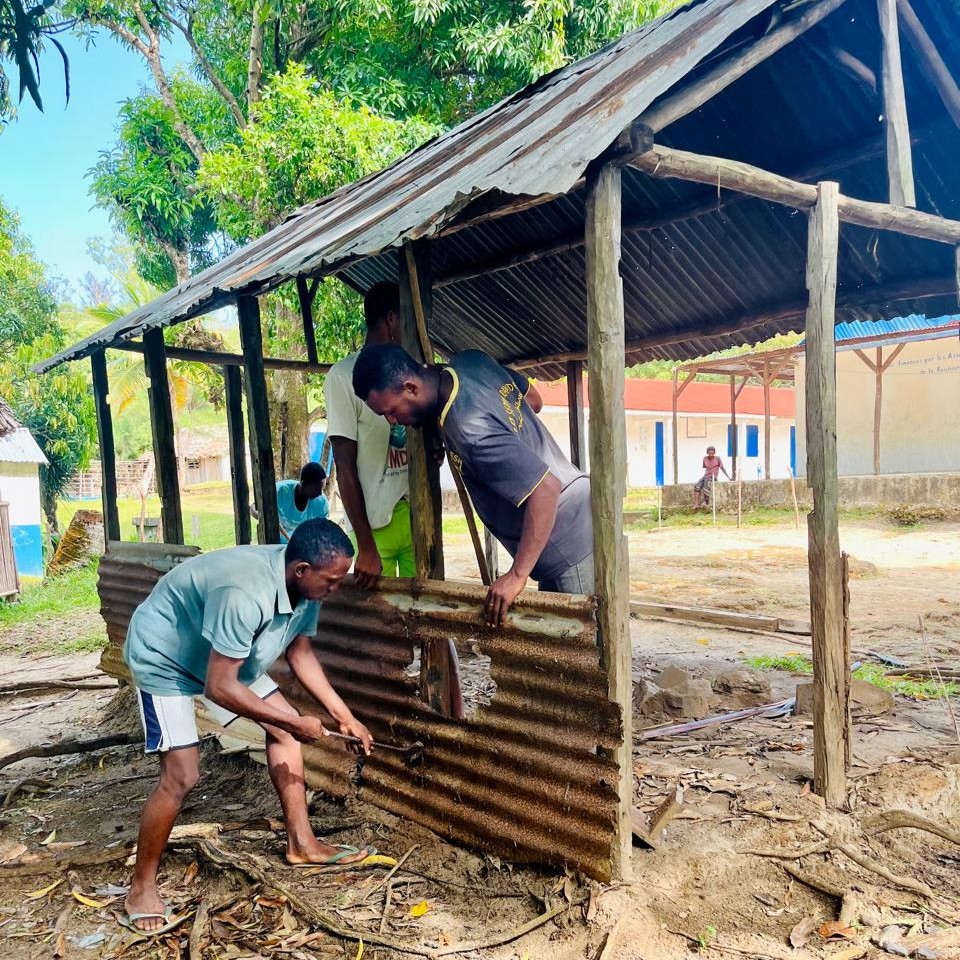
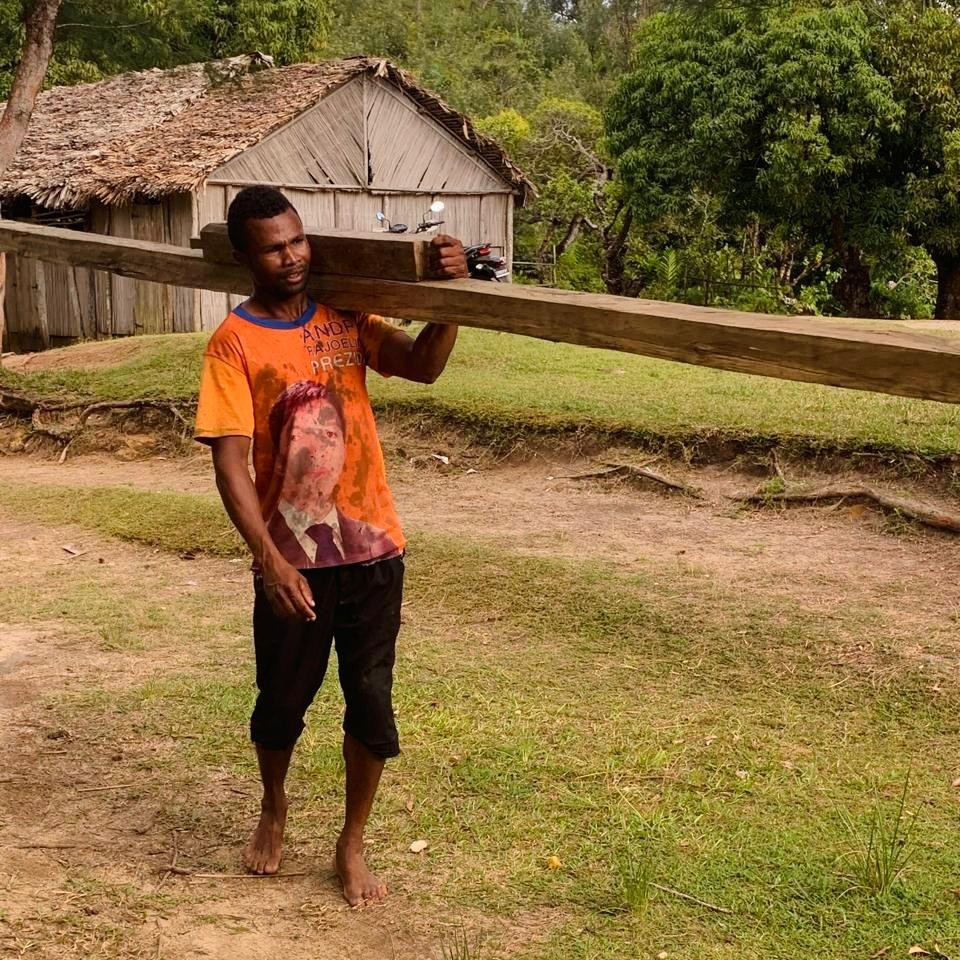
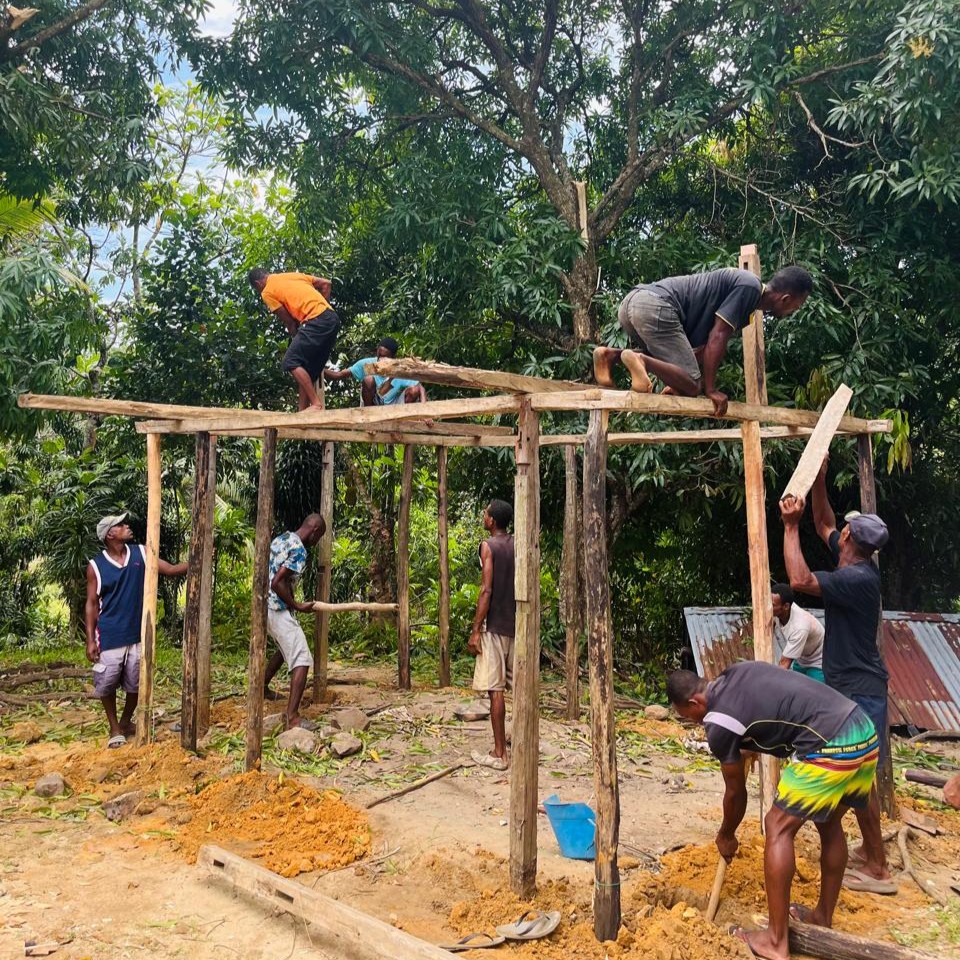
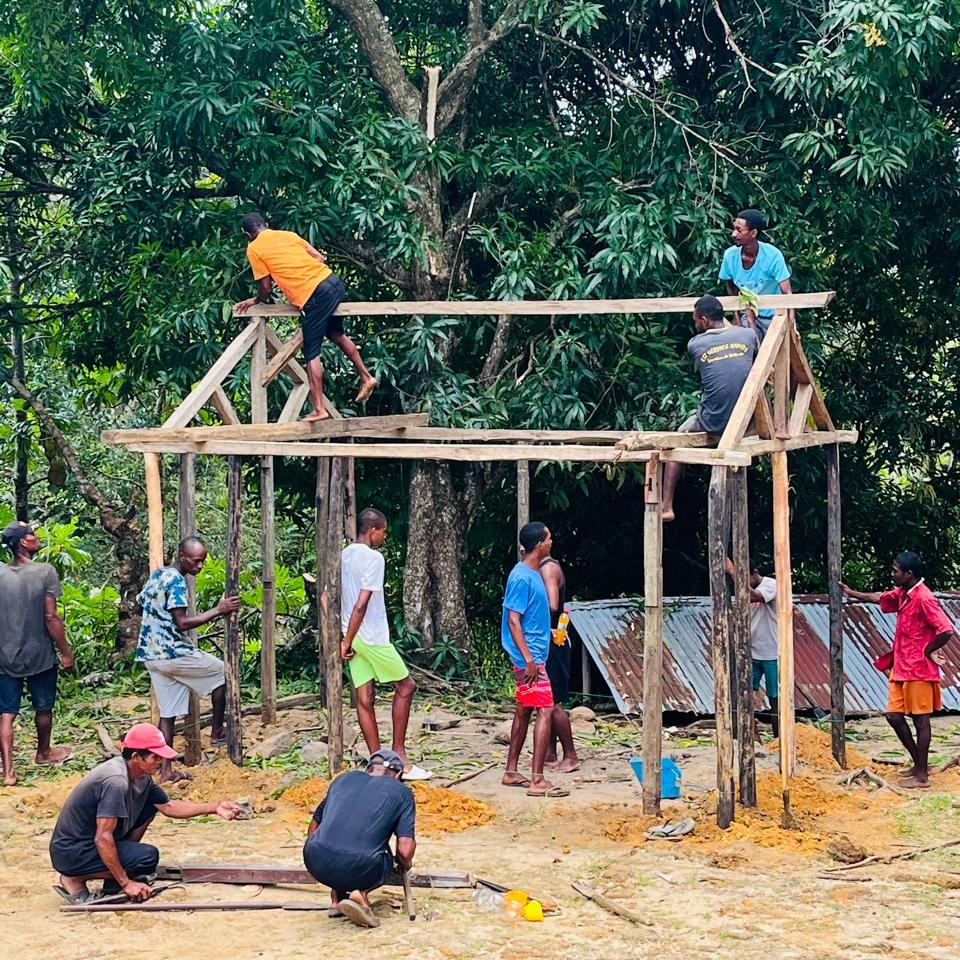
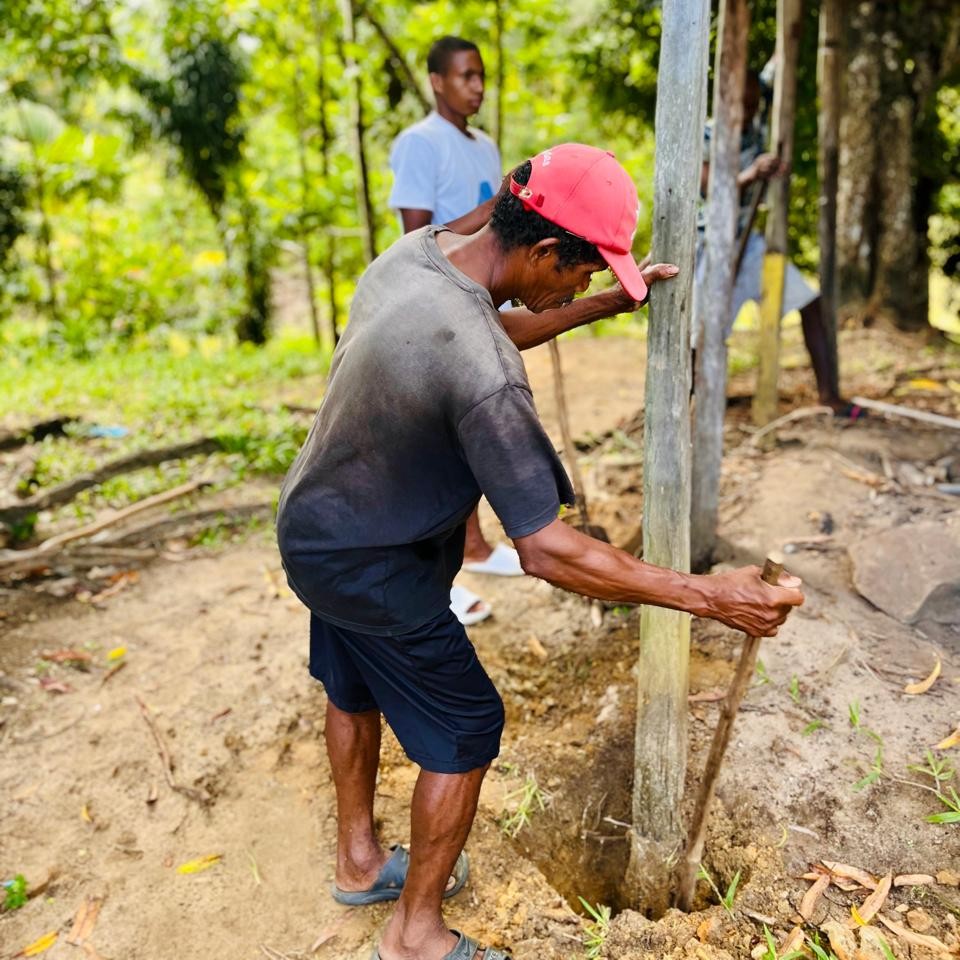
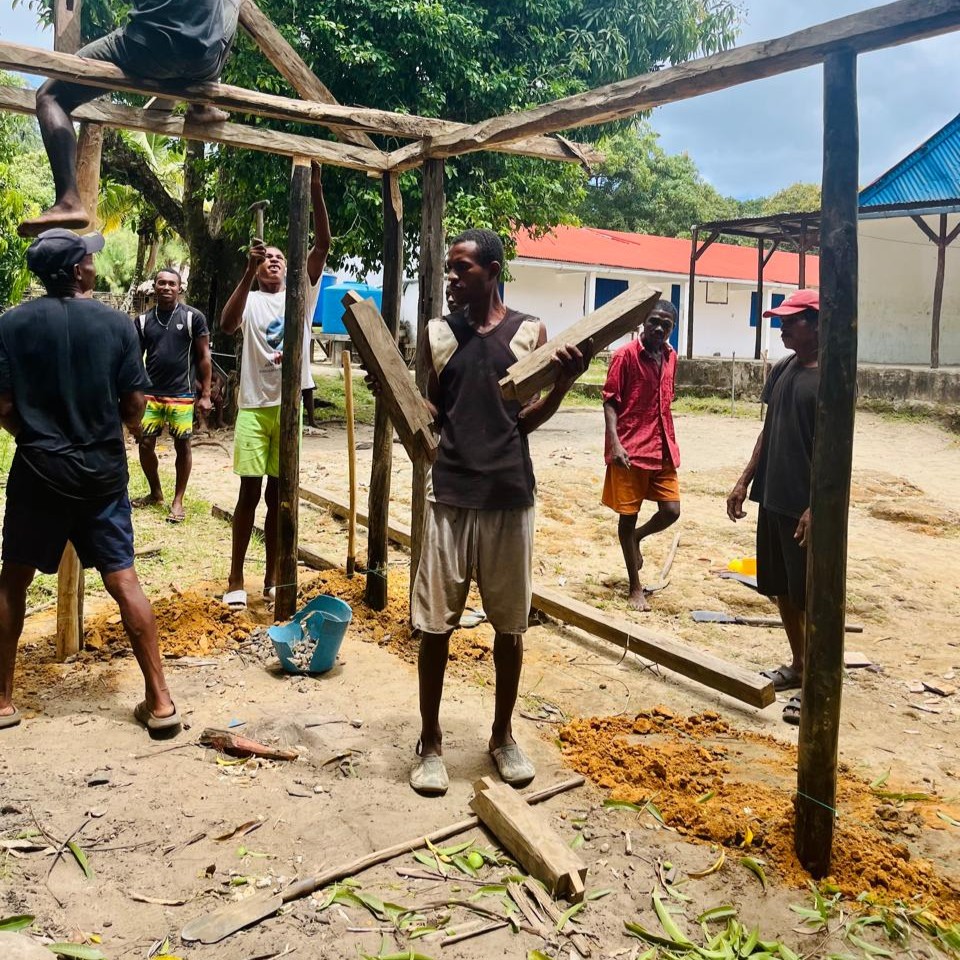
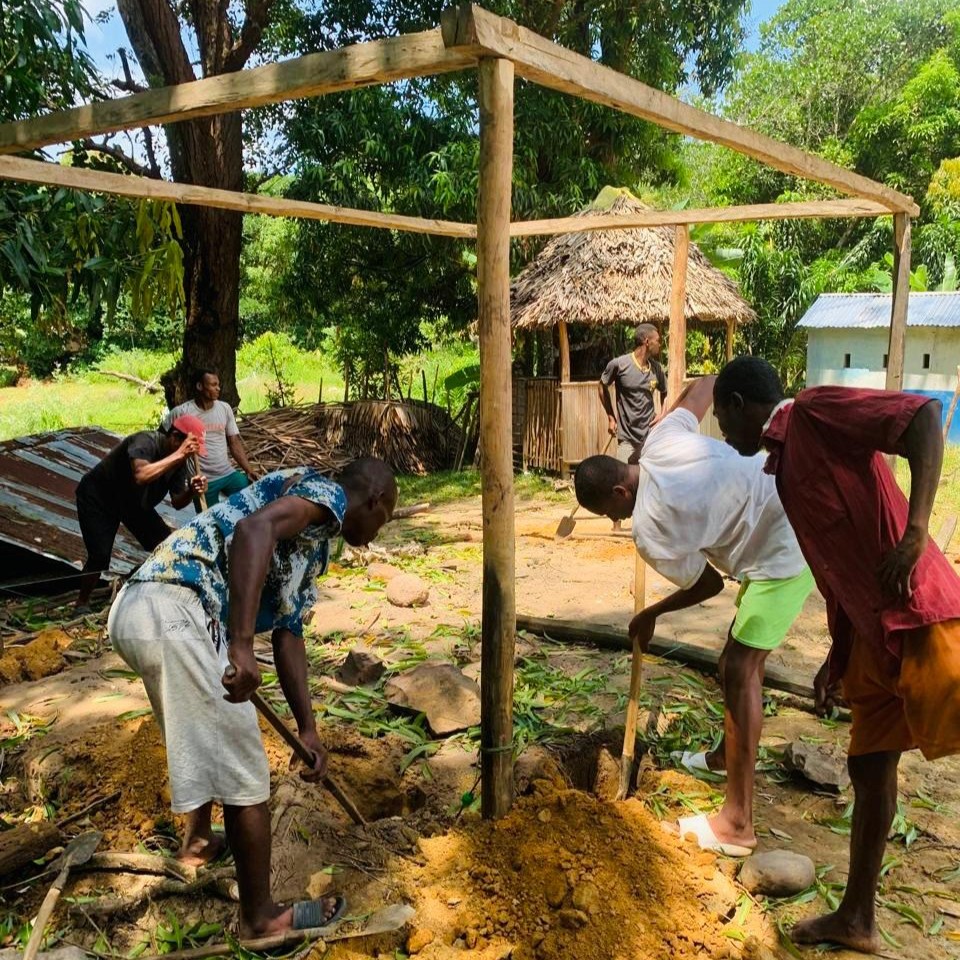
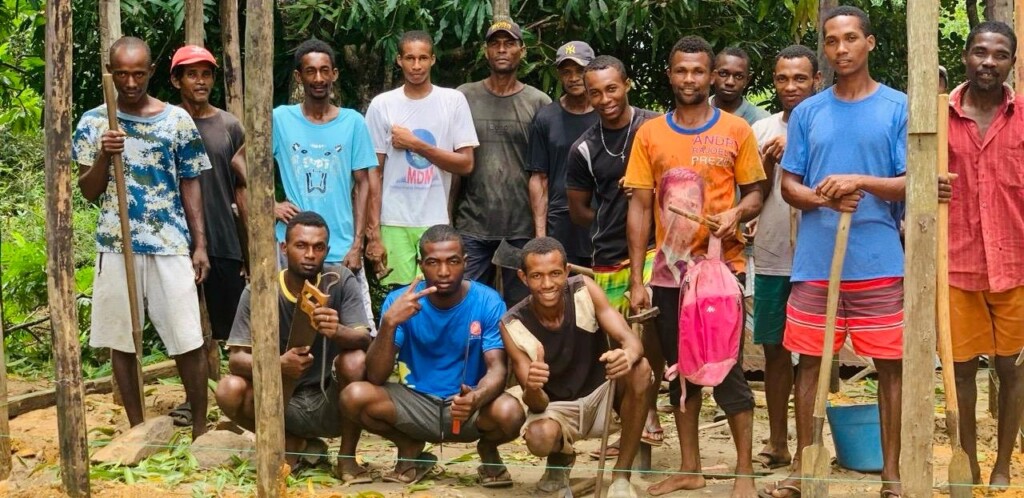
This project was realized through a true “Local Anchoring” model. From the dismantling of the original, failing hut to the raising of the new timber framework, the execution was driven by 35 local volunteers and parents. This collaborative effort ensures the kitchen is a source of community pride, guaranteed to be managed and cared for by the people who built it.
The journey from Vision to Reality
The Official Inauguration took place March 31st. Building a sustainable nutrition loop takes more than just a plan – it takes a village. We have documented how we turned a strategic partnership into a daily reality for the children in Agnafiafy. Explore the photos and videos below for a behind-the-scenes look at the construction and community effort powering our school kitchens.

Empowering Local Hands & Durable Craftsmanship
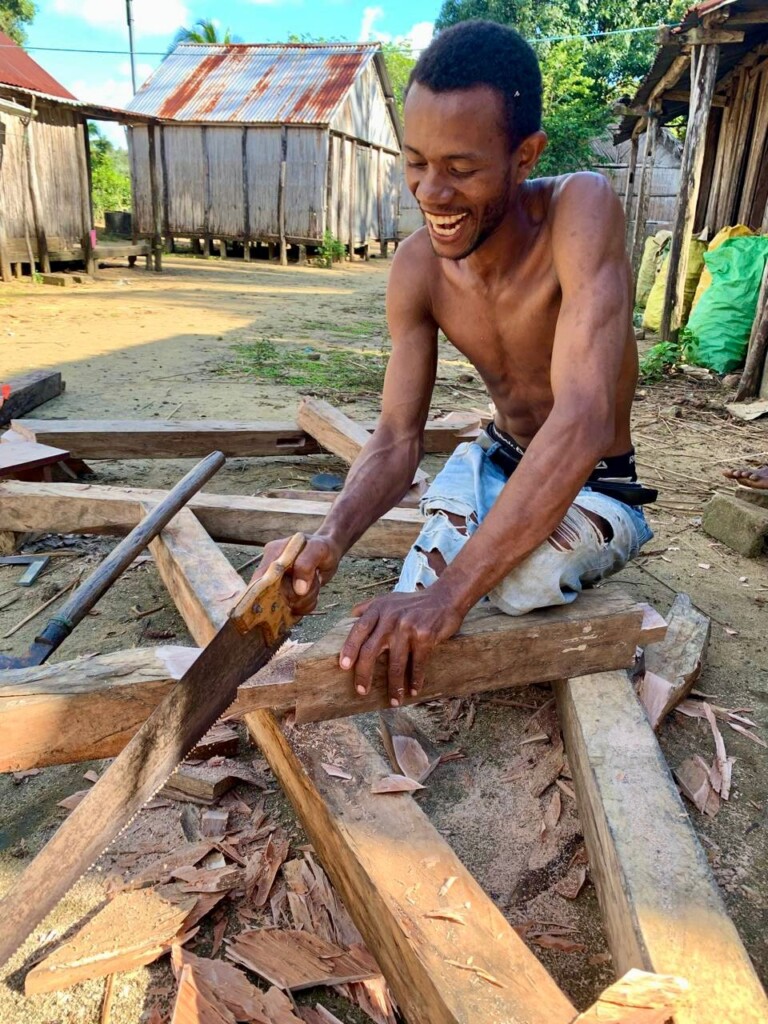
We combine high-quality construction methods with direct local economic empowerment, ensuring that resources contribute maximally to the community area. This dual approach provides direct economic support while ensuring the construction aligns with familiar local resources and specialized techniques.
Local craftspeople prepare the structural components using precision-crafted, interlocking joints. This technique creates connections that are strong and durable without relying on industrial fasteners, demonstrating a smart, environmentally responsible approach to infrastructure. This methodology honors local carpentry traditions while guaranteeing a robust, long-lasting structure.
The result is a resilient building rooted in respect for the land and built using the quiet, strong knowledge of the people who call this place home.
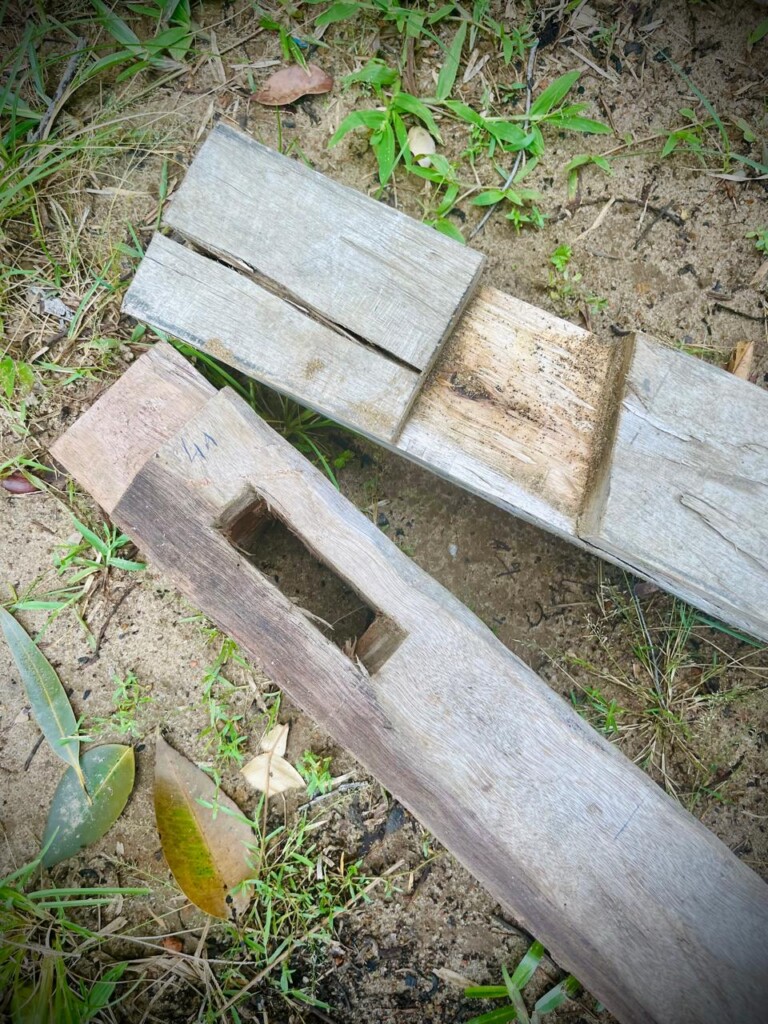
The Journey of the Wood: A Time-Tested Protocol
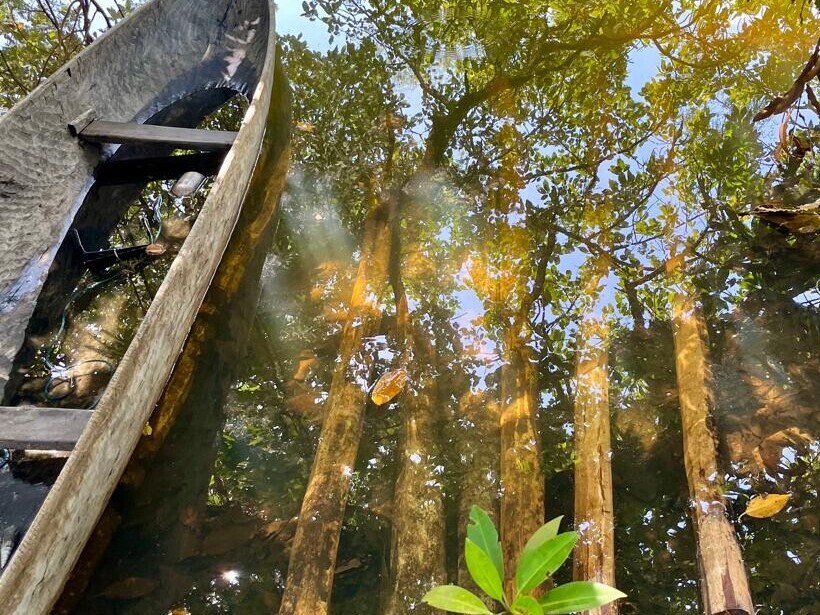
To mitigate risk and maximize durability, we follow a traditional, effective process and locally-informed protocol – a cornerstone of our commitment to sustainable and low-maintenance community assets:
- Leaching for Longevity: The structural wood is submerged in water for several weeks. This practice washes out the natural saps and sugars that attract pests like termites, effectively protecting the wood before construction even begins.
- Patient Curing: The wood is then carefully air-dried on raised platforms, shielded from direct sun. This patient, climate-adapted process ensures the material achieves maximum stability and resilience.
With the essential materials now prepared through this dedication to quality and tradition, the construction is moving forward quickly.
Structural Framework Raised in Agnafiafy
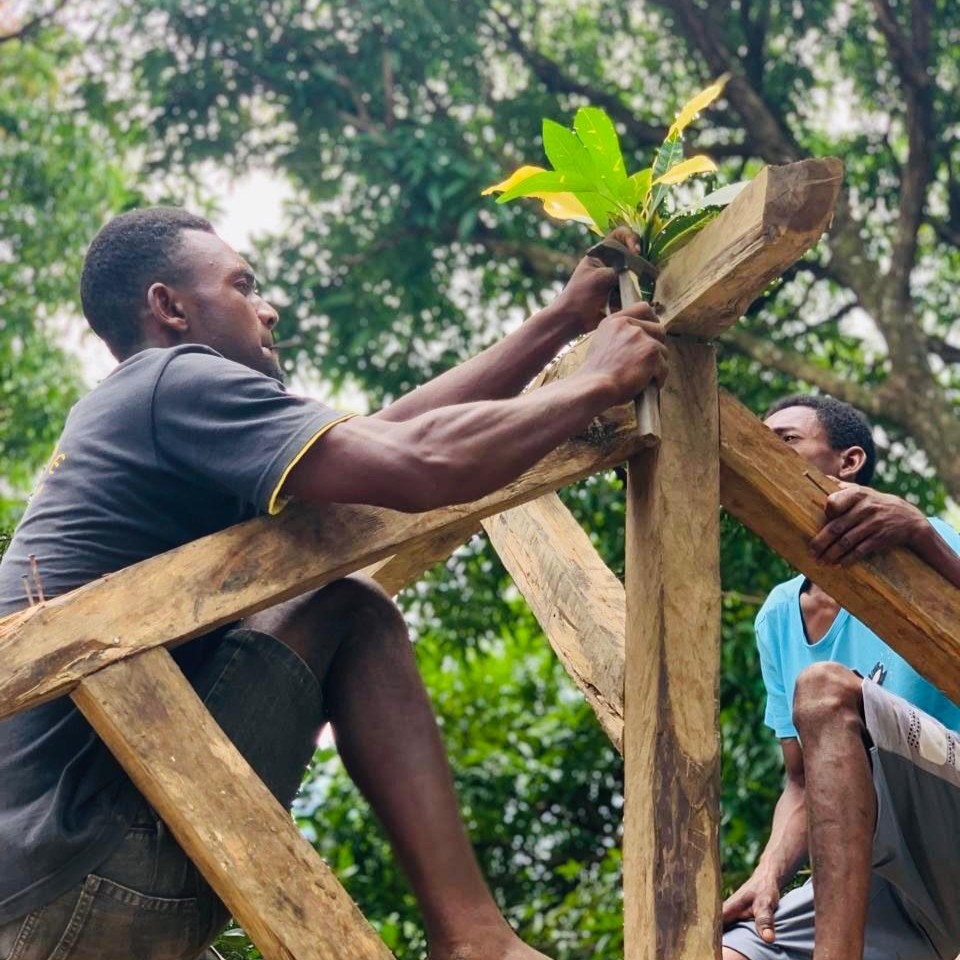
On Sunday November 30th we reached a major construction milestone for the Agnafiafy School Kitchen project: the successful demolition of the old structure and the erection of the new wooden framework. The work was executed efficiently by a dedicated crew of 18 family volunteers from the community – their contribution provides local ownership and maintains the project’s low overhead.
Integrating Tradition: Ceremony and Community Bonds
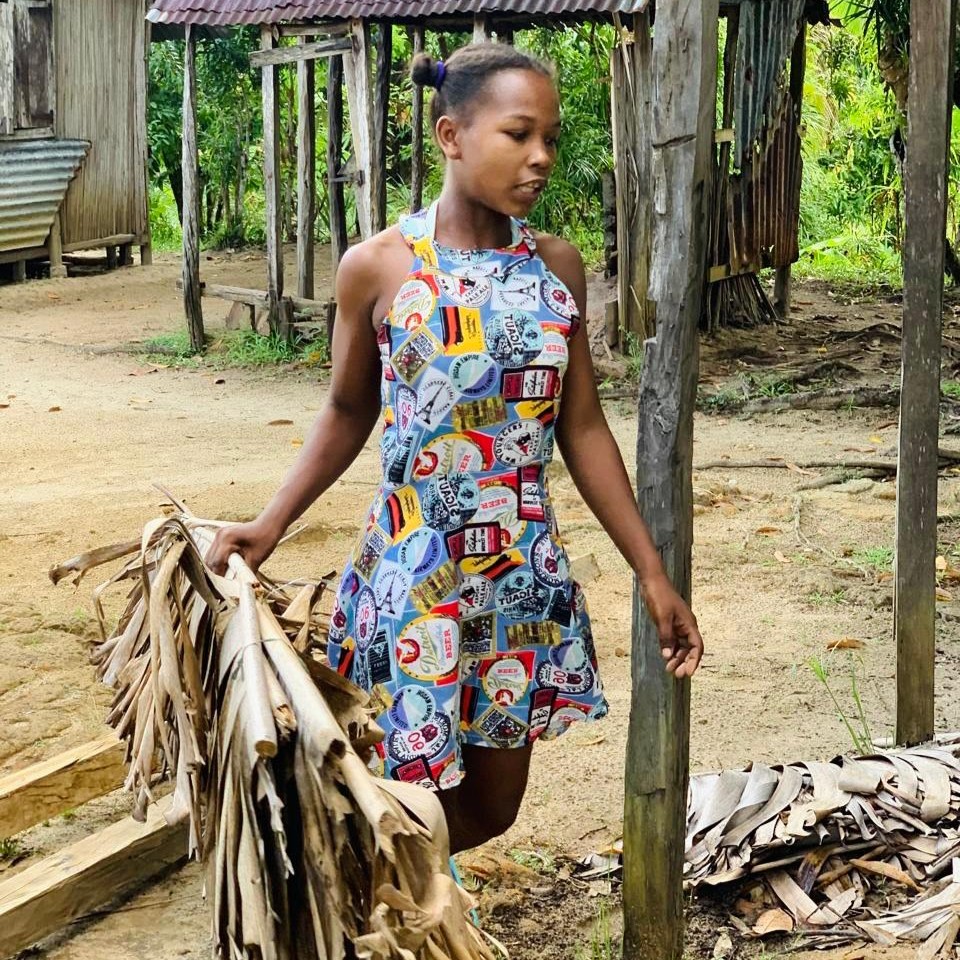
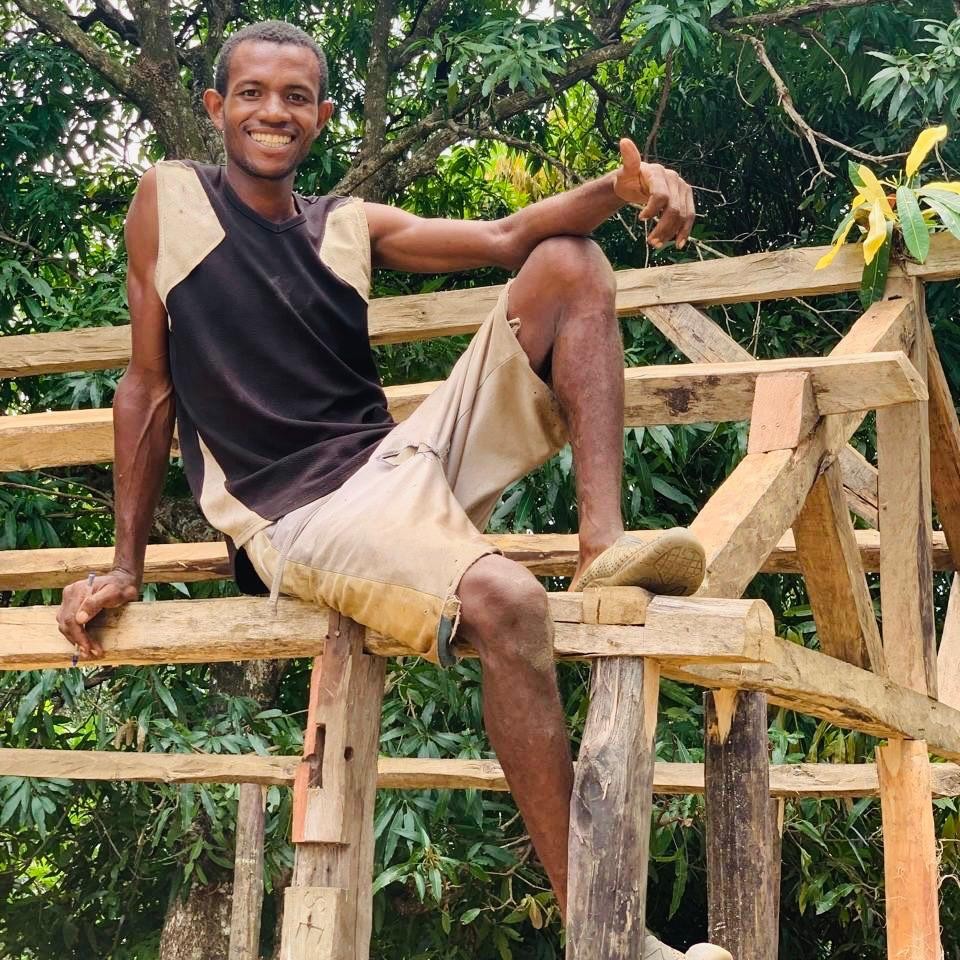
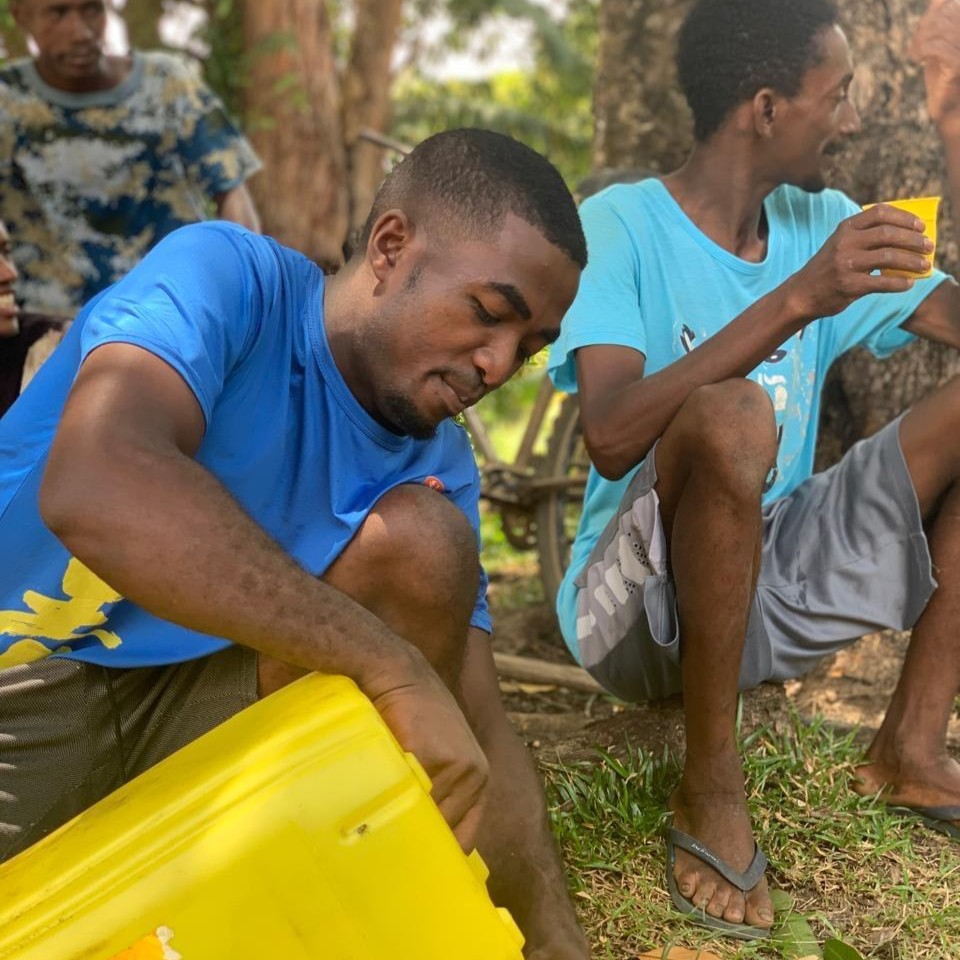
Upon the successful completion of the framework, we observed two important local traditions! The new wooden structure was adorned with fresh leaves. This customary act is performed to secure blessings and signifies the communal welcoming of the new building. The sharing of Betsabetsa. This traditional Malagasy fermented cane wine, prepared with local bark, serves as a ceremonial drink that honors the completion of major construction phases and reaffirms the strong communal bonds that drive this project.
Strategic Value: Preserving Cultural Stewardship
For NORA-Madagascar, collaborative engagement of this nature is a core organizational strategy. By partnering with local volunteers and respecting established building traditions, we achieve more than just infrastructure development. This approach provides a direct, verifiable lesson in Malagasy culture, tradition, and history. Donor funds support a project that is not only physically sound but also deeply rooted in local heritage and pride, ensuring long-term community trust and project sustainability.
The Agnafiafy School Kitchen Takes Shape
The Concrete Foundation: The journey hasn’t been without its challenges. Our skilled masons faced a difficult task completing the cement work and the specialized firepit for the woodfire while battling heavy seasonal downpours.
The Roof: When it came time to mount the roof, the weather tested us again. We want to give a massive shout-out to our local volunteers, who powered through the rain to ensure the structure was covered.
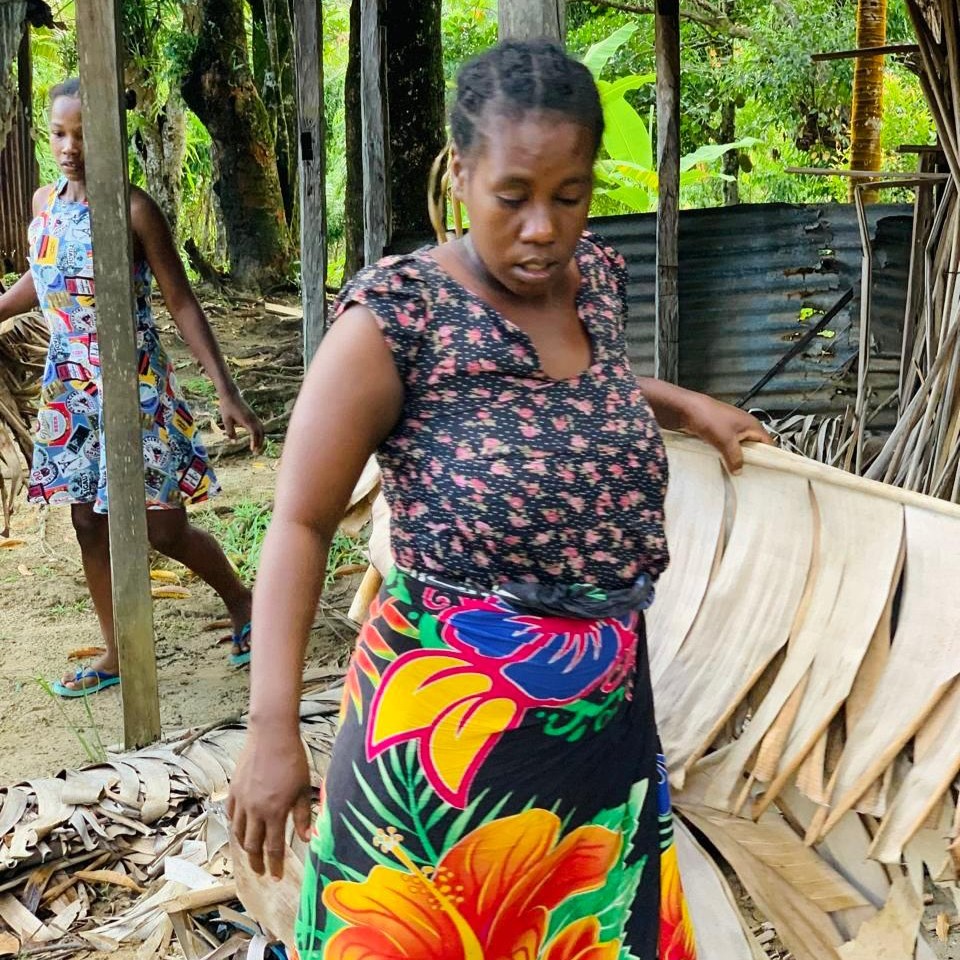
Walls and finish: The final step for our walls involves the use of Falaf – the sturdy, dried stems of the Traveler’s Palm. While the rain caused a slight delay in the delivery of these traditional materials (as they must be harvested and transported carefully), we finally secured all materials including the remaining timber for the structural frame!
Why Falaf?
It is sustainable architecture:
- Community Heritage: Using Falaf honors the traditional building methods of Madagascar, ensuring the kitchen feels like a true part of the Agnafiafy community.
- Locally Sourced: It’s a renewable resource found throughout the region.
- Breathability: It allows for natural ventilation, which is crucial for a kitchen environment.


Check out the videos below to see our volunteers in action!
The enthusiasm and hard work demonstrated by the Agnafiafy community have been incredible!
The Nutrition Programme: Feeding 240 Students
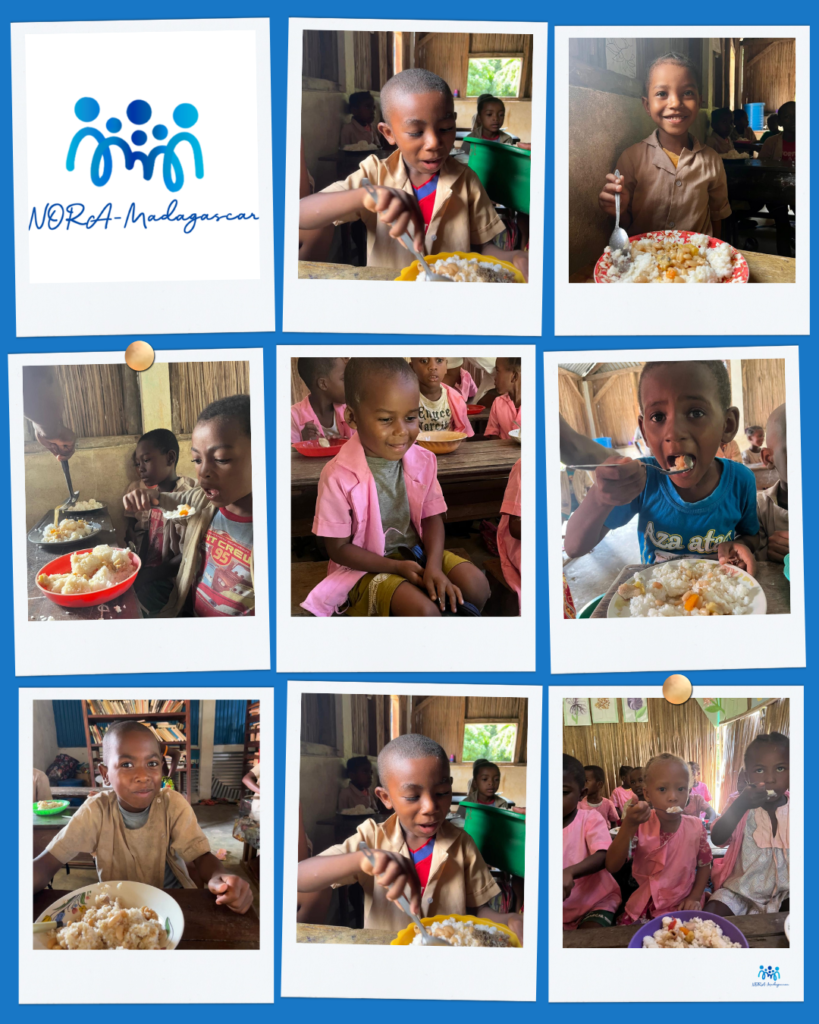
In April 2026, NORA-Madagascar launched the Nutrition Programme at Agnafiafy Public School.
Like many communities on the East Coast of Île Sainte Marie, economic hardship is a daily reality. This struggle often means families cannot provide adequate nutrition, which directly impacts children’s health and concentration. When children arrive at school hungry, they cannot focus. Their education suffers, hindering not only their individual progress but also the long-term prospects for the entire community.
This project provides a vital foundation for 240 students and eight teachers, ensuring that no child is forced to learn on an empty stomach.
Operational Logistics & Sustainability
To ensure both financial and logistical stability, we are implementing a phased rollout:
- Phased Service: Launching two days per week (Tuesdays and Thursdays), with a strategic goal to scale to three days as local resources and volunteer bases grow.
- Professional Oversight: Our community liaison, Alain, coordinates daily operations with a NORA-Madagascar team member visiting weekly to ensure deliveries, quality control and support.
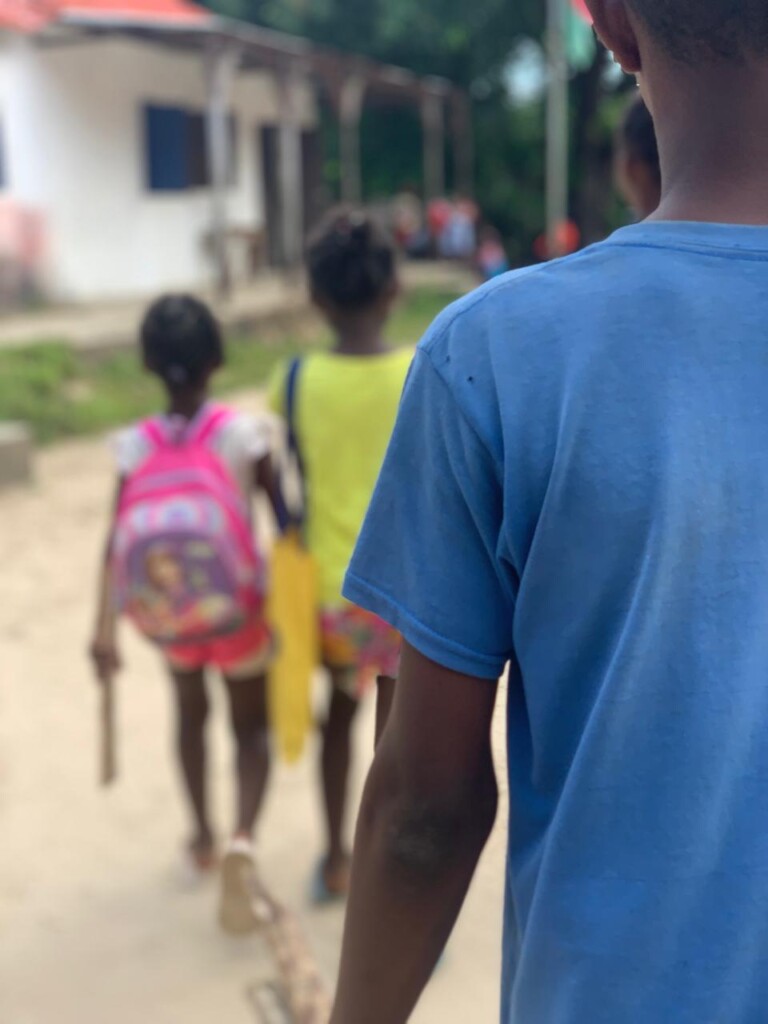
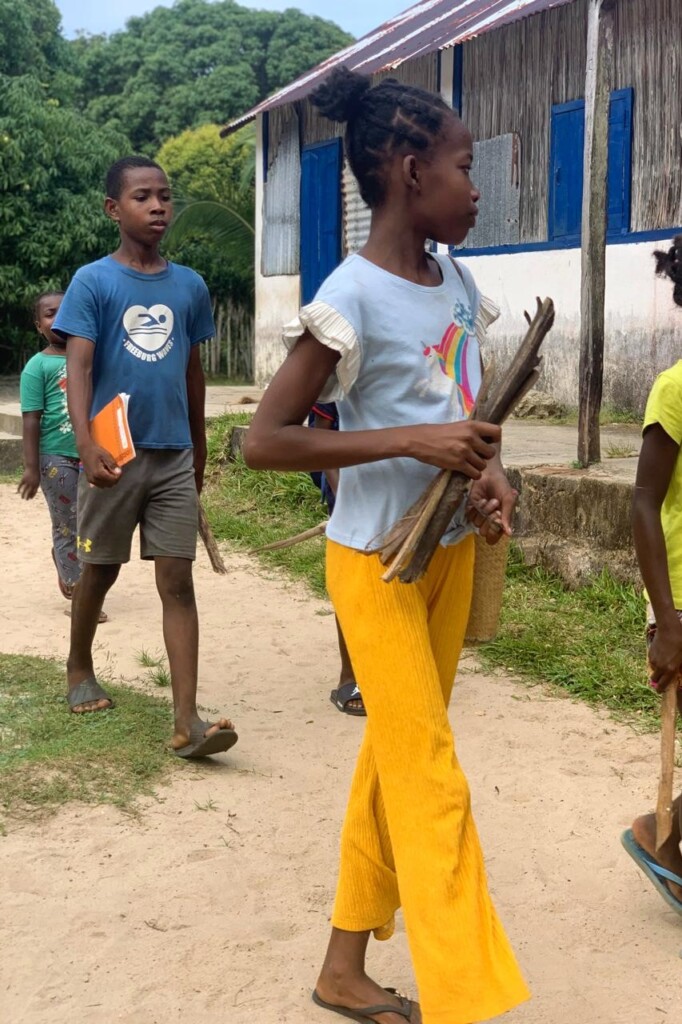
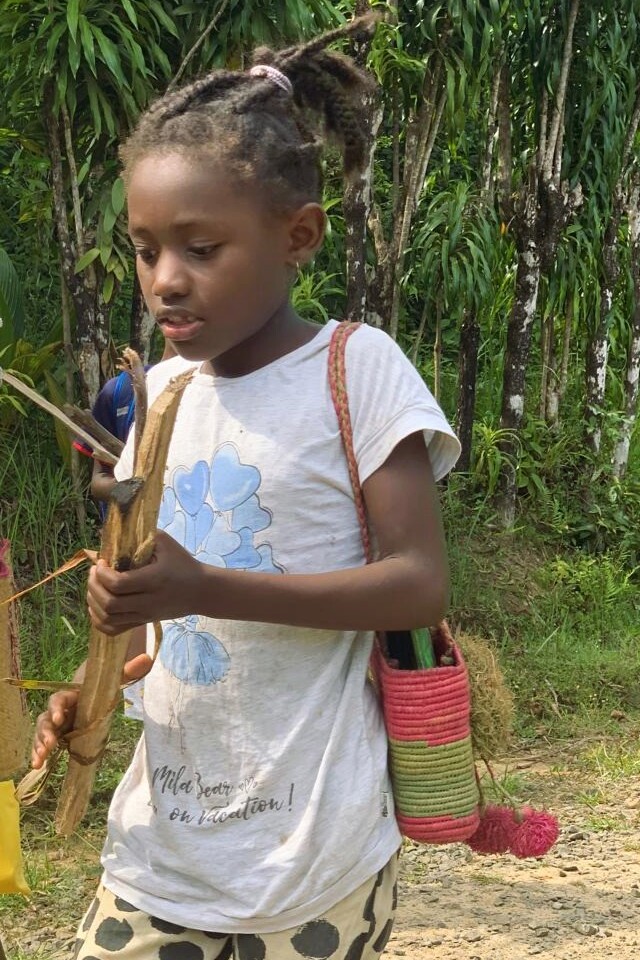
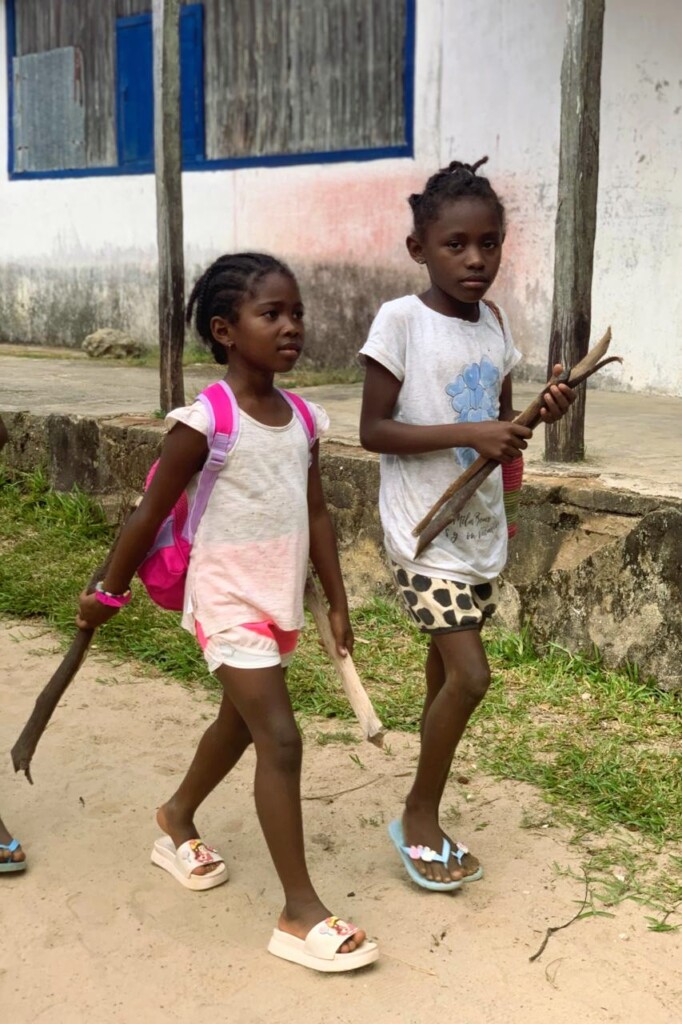
- Family Contribution: In a proven model for sustainability, each student contributes a small amount of firewood on meal days. This shared contribution ensures every family has a direct stake in the programme’s success.
- Local Resources. Local Solutions: By procuring high-quality, sustainable fishnets and formalizing a 50/50 partnership with local fishermen, we’ve created a self-sustaining supply chain. It is a sustainable cycle of trade that respects the sea and local traditions while putting food on the table. The result: empowered local fishermen and a consistent source of protein for the children of Agnafiafy. You can read more about it here.
Community Engagement & Ownership
The Agnafiafy Nutrition Programme is truly community-driven. Family volunteers handle food preparation. Following local custom, the cooks also share the meal – a practice that strengthens communal bonds and ensures the programme is woven into the fabric of village life.
Be the Catalyst for Expansion: Replicating Success Across Île Sainte Marie
Your support directly funds the ingredients, logistics, and equipment needed to turn this into a permanent success. The success in the village of Agnafiafy will serve as the foundation for scaling our efforts, allowing us to expand this vital nutrition and education program to other vulnerable villages across Île Sainte Marie.
Your support truly makes a tangible difference – not just in one village, but in securing the health and educational potential for children across Île Sainte Marie. You can support the project here.
Want to know more? Read about our Focus Area School Kitchens & Nutrition Programmes.
Do you have questions, or would you like to delve deeper into the specifics of our program and its impact? Reach out to us! We are always happy to share more information and discuss how contributions can help nourish minds and build futures on Madagascar’s East Coast.
Have a look here if you want to read more about the impact of school meals: