Children’s Literacy in Madagascar: The Hidden Crisis in Sainte Marie
Ile Sainte Marie, with its vibrant communities and natural beauty, is a place of immense potential. Yet, beneath the surface, many of its children face a silent but profound challenge: a severe lack of access to books and reading materials outside of the classroom. We looked into the library facilities across the island’s villages and it paints a clear picture of this disparity.
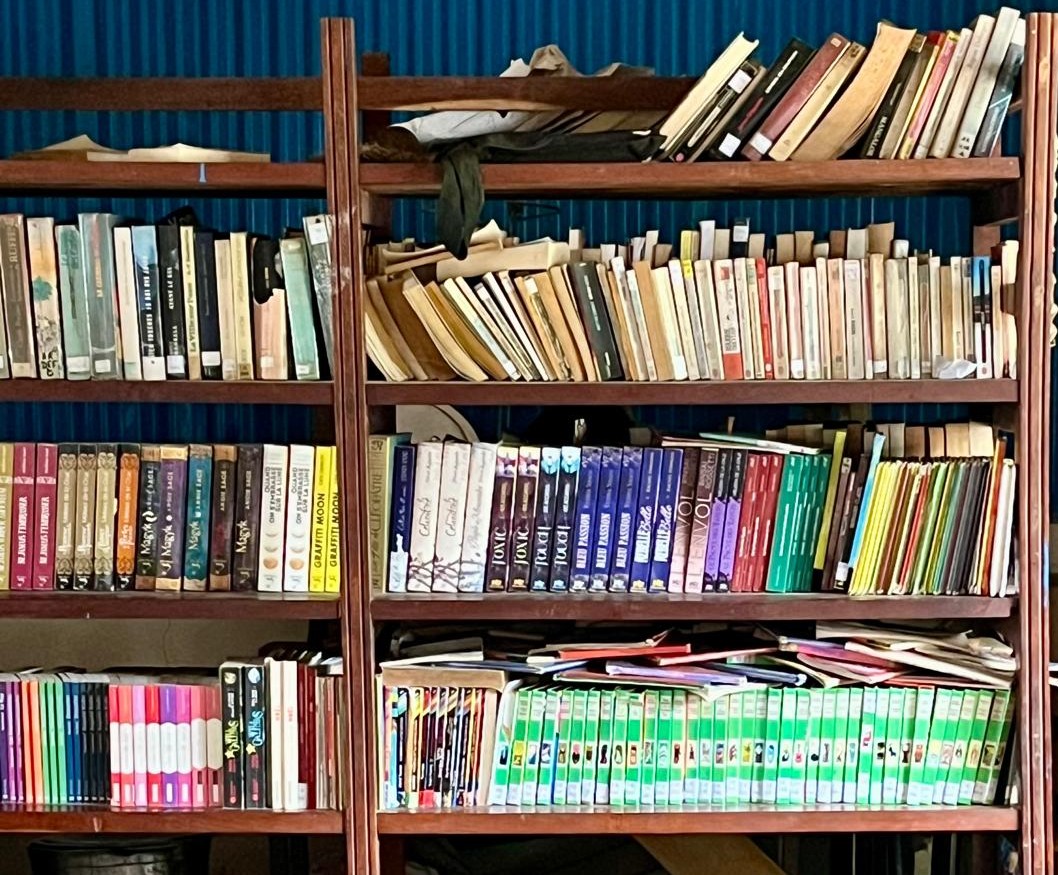
Looking into the availability of literary resources, there are a number of school libraries that form the backbone of literary access. However, the definition of a “library” varies considerably. While some private schools boast proper libraries, in many cases, what is referred to as a “school library” might simply be a bookcase holding a limited collection of materials.
Beyond the schools, widespread public and community resources are scarce. We are aware of only one significant public library initiative, located in Ambodifotatra, which is a private undertaking by Alliance Française. This highlights a critical void, as numerous villages have no libraries whatsoever, leaving countless children with virtually no access to books. This scarcity of resources presents a significant challenge to fostering a love of reading and continuous learning within the community.
The Consequences of Limited Book Access
This isn’t merely about missing out on leisure reading; the absence of books has profound and far-reaching consequences that ripple through a child’s development and the community’s future:
- Hindered Literacy and Foundational Learning: While schools provide basic instruction, consistent exposure to diverse reading materials outside of lessons is crucial for solidifying literacy skills. Without books, children struggle to practice reading, expand their vocabulary, and develop a genuine love for learning. This directly impacts their ability to succeed in higher grades and beyond. For more on the importance of early literacy, see resources from organizations like Room to Read.
- Stifled Imagination and Critical Thinking: Books are windows to new worlds, fostering imagination, creativity, and critical thinking. When children lack access to these resources, their intellectual horizons can be inadvertently limited, making it harder for them to envision different possibilities for their lives and communities. Research from Scholastic highlights the cognitive benefits of reading.
- Deepening the Educational Gap: As we’ve seen from previous data, a significant number of children in Sainte Marie are already out of school. For those who do attend, the lack of supplementary reading materials at home or in their communities widens the gap between them and children in more resource-rich environments. This creates an uneven playing field, making it harder for them to catch up or excel. The Global Partnership for Education provides insights into educational inequalities.
- Limited Exposure to Ideas and Opportunities: Books are conduits for knowledge, offering insights into different cultures, professions, and global issues. Without them, children’s understanding of the world beyond their immediate surroundings can be constrained, limiting their aspirations and awareness of potential pathways for their future. The role of information access in development is often discussed by organizations like the World Bank.
- Reinforcing Cycles of Poverty: Literacy is a cornerstone of economic empowerment. A population with limited reading skills faces significant barriers to accessing information, vocational training, and better employment opportunities, thereby perpetuating cycles of poverty within families and communities. The link between education and poverty reduction is a core focus for many international development organizations, such as UNESCO.
The Importance of a Local Library
The scarcity of libraries in Sainte Marie presents a clear challenge, but also an immense opportunity for impactful intervention. Beyond simply providing books, even a small local library in the heart of a village can become a safe and nurturing space for children. In environments where resources are scarce and daily life can be challenging, a library offers a quiet refuge – a place for imagination to flourish, for curiosity to be sparked, and for learning to extend beyond the classroom walls. These spaces can serve as community hubs, fostering a love of reading and providing a secure environment where children can explore, learn, and grow, free from external pressures.
Investing in libraries and accessible reading materials is an investment in every child’s potential, ensuring they have the resources to not just attend school, but to truly learn, grow, and ultimately shape a brighter future for Sainte Marie.
Nora-Madagscar aim to strengthen children’s skills, broaden their horizons, and promote personal development. We actively engage local communities because we believe lasting change comes from within. You can support the continous development of programmes that benefit children and communities here.
Further Reading:
- The Importance of Reading for Children
- How Libraries Support Community Development (International Federation of Library Associations and Institutions)
- Education in Madagascar (UNICEF Madagascar)
- The Role of Safe Spaces for Children (Save the Children)
- The Educational Landscape at Ile Sainte Marie