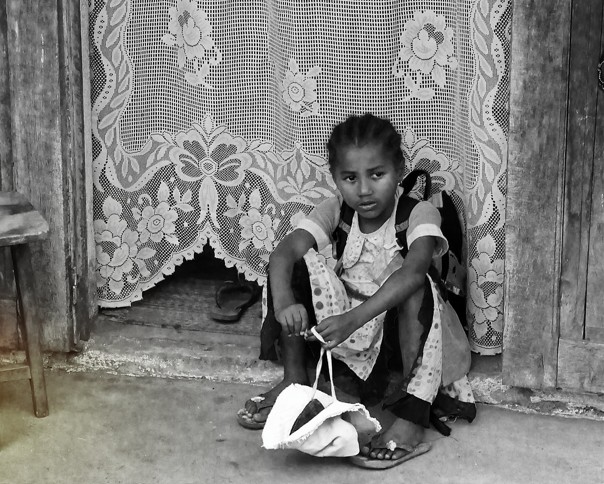
The Educational Landscape at Ile Sainte Marie
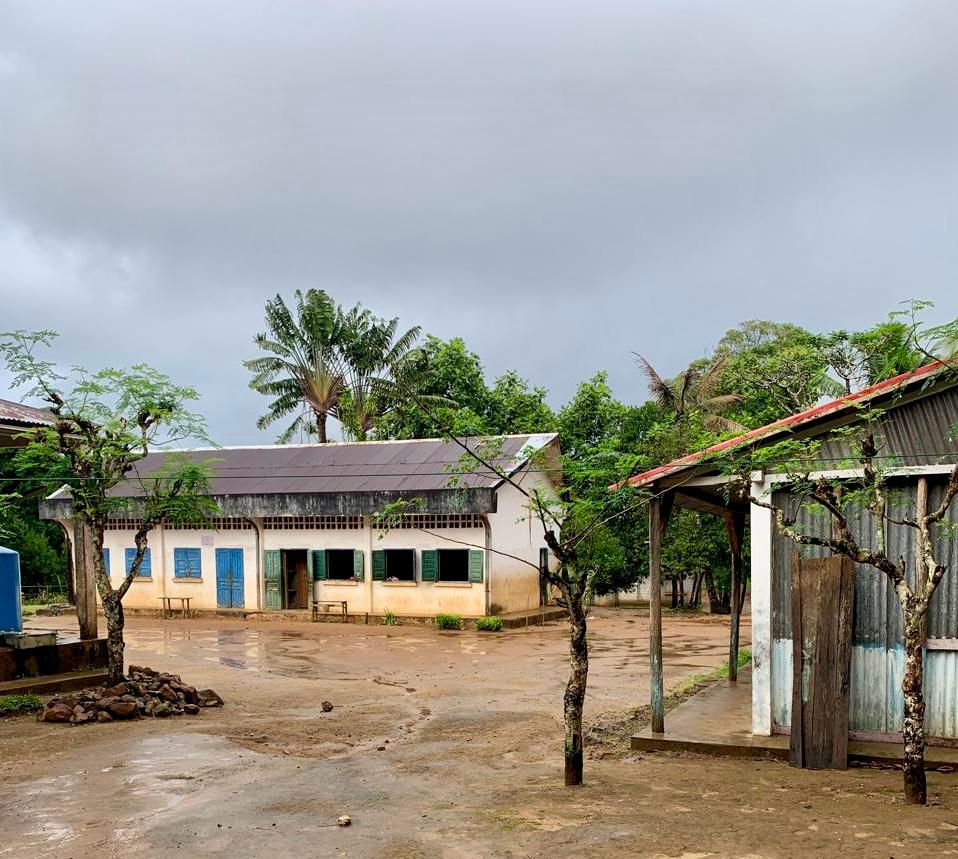
Ile Sainte Marie, a stunning island off Madagascar’s coast, is home to vibrant communities brimming with potential. Yet, a closer look at its educational landscape reveals a significant challenge: a concerning gap between the number of children of school-going age and those actually enrolled in classrooms. Addressing this disparity is crucial for the island’s future development and the well-being of its youth. Our insights come from direct conversations with locals, our own experiences and estimations, and a review of data collected by GRET in 2021. We acknowledge that official registrations may not fully capture the true scale of the situation due to manual record-keeping.
Understanding Sainte Marie’s Educational Infrastructure
Across the various villages of Ile Sainte Marie, numerous schools serve the community, offering education from early childhood to high school. The infrastructure is diverse, though unevenly distributed:
Early Childhood Education: There are several nursery schools, split evenly between publicl and private institutions. For kindergarten, or Jardin d’enfants, there are more institutions in total, with most being public.
Primary Education: Primary schools (EPP) are predominantly public, with a smaller proportion being private.
Secondary Education: As children progress, the number of institutions decreases. There are fewer junior high schools (CEG), comprising both public and private options. High school (Lycée) education is the least common, with only a few high schools in total (a majority public and one private).
While this infrastructure provides a foundation, the true challenge lies in ensuring every child can access and benefit from these facilities.
The Alarming Educational Gap
Despite the presence of these schools, a substantial portion of Ile Sainte Marie’s youth is missing out on vital educational opportunities. We see a concerning trend across key age groups:
Ages 5 to 10 years: A significant number of children in this primary school age group are not in school, despite many being enrolled.
Ages 11 to 14 years: For this crucial transition period to junior high, a considerable number of children are not in the educational system during these formative years.
Ages 15 to 18 years: As children approach high school and the end of compulsory education, the gap widens further, with many youth not continuing their education.
Cumulatively, across these key school-going age groups, many children and youth are not enrolled in school. Each of these represents a missed opportunity, a potential unfulfilled, and a future pathway narrowed.
The Far-Reaching Consequences of This Gap
This enrollment gap is not merely a statistical anomaly; it represents a profound challenge with far-reaching consequences for individuals, families, and the entire community of Sainte Marie:
Lost Potential: Every child out of school is a mind not being fully nurtured, skills not being developed, and potential not being realized. This directly impacts their future ability to secure stable livelihoods, contribute to their communities, and break cycles of poverty. Learn more about the impact of education on potential from UNICEF..
Exacerbated Poverty: Lack of education is a primary driver of poverty. Children who do not complete their schooling are more likely to face limited job prospects, lower incomes, and greater vulnerability to exploitation. The link between education and poverty is well-documented by many global institutions, such as the World Bank.
Community Development Hindered: An educated populace is essential for sustainable community development. When a significant portion of youth is not receiving an education, it can slow progress in areas like health, economic growth, and social stability. The ability of communities to address their own challenges is severly diminished.
Reinforced Inequalities: The reasons for non-enrollment are complex, often rooted in socio-economic barriers such as the need for children to contribute to household income, lack of school fees or supplies, distance to schools, or even the perception of education’s value in the face of immediate hardship. This perpetuates existing inequalities within the community.
Health and Well-being Risks: Children out of school may also be more susceptible to health issues due to lack of awareness, poor hygiene practices, or malnutrition, further impacting their overall well-being.
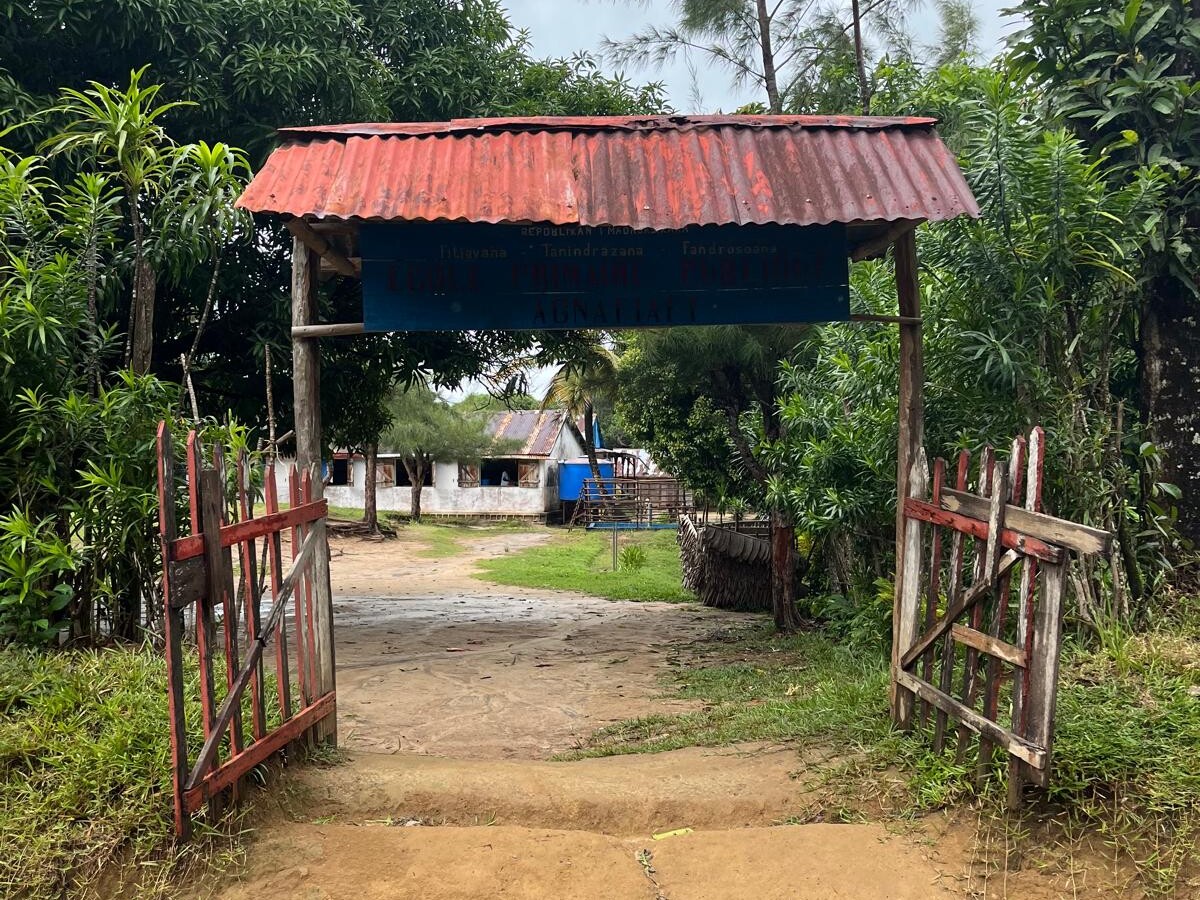
Bridging the Gap Through Action
At Nora-Madagascar, we see these challenges not as insurmountable obstacles, but as a clear call to action. Our work, particularly through initiatives like our school food programs, directly aims to address key barriers to attendance. By providing nutritious meals, we incentivize families to send their children to school, ensuring they are not only present but also have the energy and focus to learn. This approach recognizes that basic needs must be met for effective learning to occur.
This is just one crucial step in a comprehensive effort to bridge this critical educational gap and ensure that every child in Sainte Marie has the opportunity to build a brighter future. By supporting foundational education and addressing the challenges that keep children out of school, we contribute to a more educated, resilient, and prosperous Sainte Marie.
You can read more about Children’s Literacy in Madagascar and libraries at Ile Sainte Marie.