Building a School Kitchen in Madagascar: Mora Mora (slowly slowly)
The NORA-Madagascar School Kitchen: A story told in Wood
Building a new school kitchen isn’t just about construction; it’s about building a foundation for our students’ future.
Our journey to find the right materials took us from our small island of Île Sainte Marie to the bustling port city of Toamasina on the mainland. While we always try to source as much as possible from our local villages, some materials for this project required a trip to the big city.
It’s a true adventure that begins with a vital but often turbulent boat crossing to the mainland. From there, our progress was in the hands of a local “taxi-brousse” (bush taxi). The roads of Madagascar are a notorious mix of what’s paved, what’s left, and a seemingly endless series of deep potholes. It’s an everyday reality here, and you quickly learn to embrace the delays on these unforgiving roads. As the locals say, “Mora Mora“—slowly, slowly—and you realize that patience is an essential skill for life in Madagascar.
The Long, Bumpy Road to Toamasina
The long and bumpy ride was worth it. As Madagascar’s largest port and economic hub on the east coast, Toamasina has a wide variety of goods available, often at more competitive prices than in smaller towns. Navigating the city’s lively markets, like the famous Bazary Be, was an invaluable experience. We visited local wholesalers and factories, surrounded by a fantastic array of both local and imported goods. By purchasing directly from suppliers in Toamasina, we found high-quality materials at a significant cost saving—which allows us to invest even more in the NORA-Madagascar Nutrition Programme.
Building with Wisdom: A Lesson in Traditional Malagasy Construction
Malagasy architecture is a testament to the country’s resourcefulness. Traditional homes often utilize locally sourced plants like bamboo and reeds, while in the Highlands, earth-based construction is more common. For our kitchen, we needed a durable structure that could withstand the tropical climate.
When we first started planning the project, I imagined walls, beams, and a roof. What I didn’t realize was that I was also about to discover a living tradition of how wood is treated, shaped, and cared for on this island. Our journey to build the first school kitchen at Agnafiafy is also a lesson in this quiet wisdom. We are not just laying a foundation; we are discovering a story told in the very wood we will be using—a story of respect, patience, and community knowledge.
The Wood’s Journey: A Time-Honored Tradition
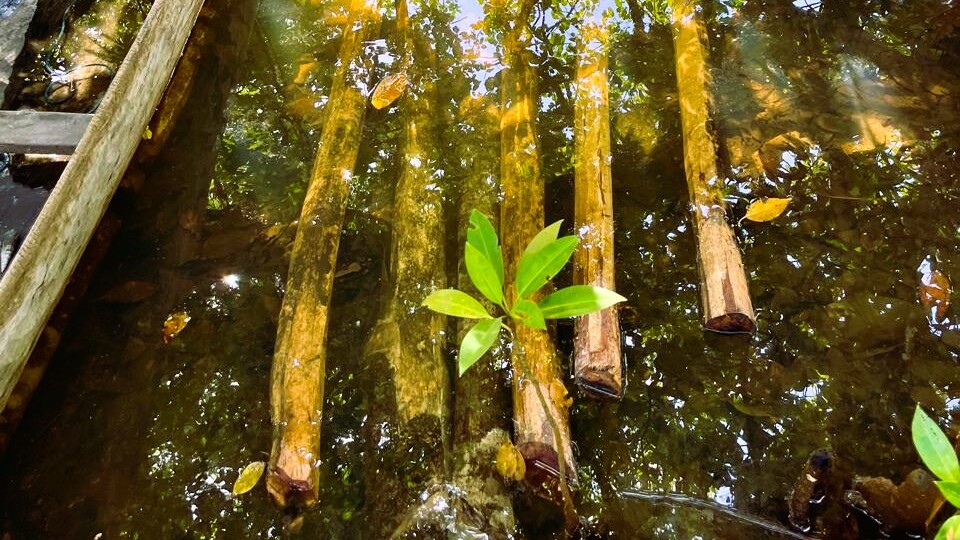
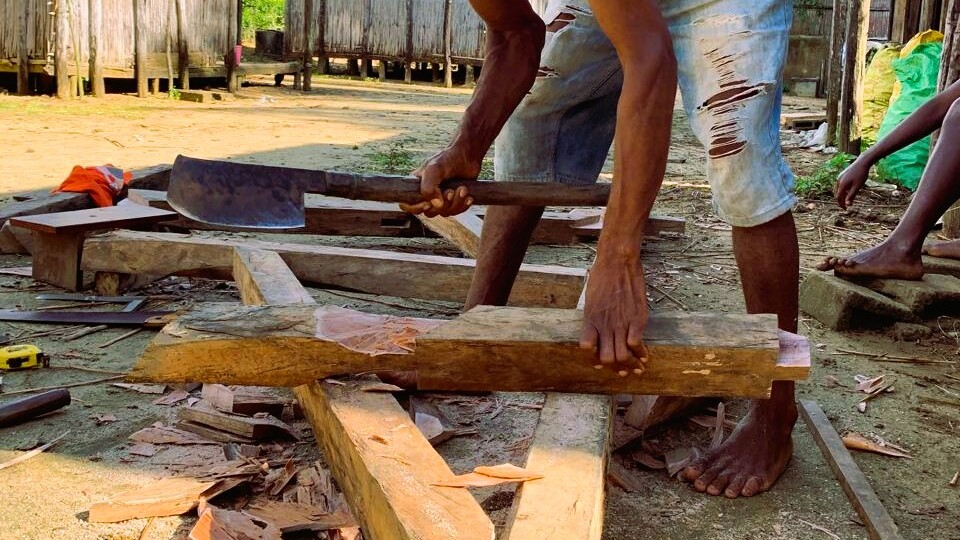
Before the structure can be raised, the wood itself goes on a journey—a vital, time-honored process that protects it from the island’s unique climate. Here, nothing is rushed. After being carefully cut, the logs are not taken to the building site. Instead, they’re submerged in water for weeks.
This “soaking” washes out the saps and sugars that would otherwise invite insects like termites to feast. This ritual of water ensures the wood becomes stronger and more resilient, embodying a deep understanding of the island’s salty air and constant humidity. After its time in the water, the wood is allowed to breathe with the island winds, drying slowly—often on raised platforms, sheltered from the direct sun. This isn’t just a technical step; it’s a patient dialogue with the land.
The community’s deep connection to nature is also reflected in the materials they choose—like the use of falafa (a type of raffia) and ravimpotsy (a specific palm leaf). These aren’t just building materials; they are a direct link to the surrounding forest, used to create natural, ventilated, and harmonious structures. The falafa is expertly woven to form walls that allow air to flow freely, while the ravimpotsy is used for resilient, waterproof roofing. This traditional knowledge ensures every structure is in harmony with its environment, using what the land provides sustainably.
A Kitchen Built with Respect
For our school kitchen, this process means more than a sturdy structure. It means we are building with respect for the land, for the traditions, and for the quiet knowledge carried by the people who call this place home. Each beam will not only hold strength but also a story of how to build and live in harmony with nature.
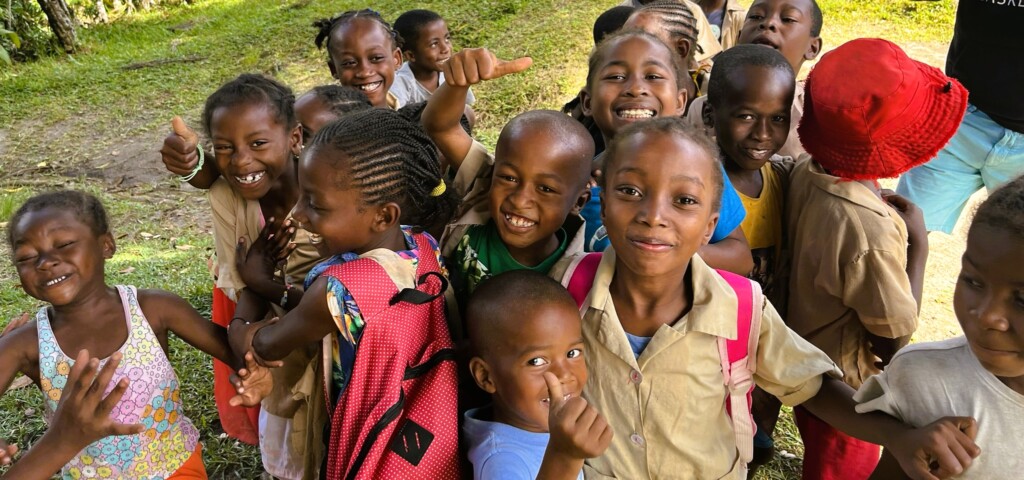
Soon, this kitchen will be a source of nourishment for 240 children, providing them with a stronger foundation for learning and growth. This kitchen is a testament to the enduring power of community, tradition, and a profound respect for the natural world.
Ready to help build a brighter future? Your support makes a direct impact on the health and education of children in Madagascar. Donate now to the NORA-Madagascar Nutrition Programme and help us continue this vital work!