Fueling Futures: How a Simple School Meal Transforms Lives in Madagascar
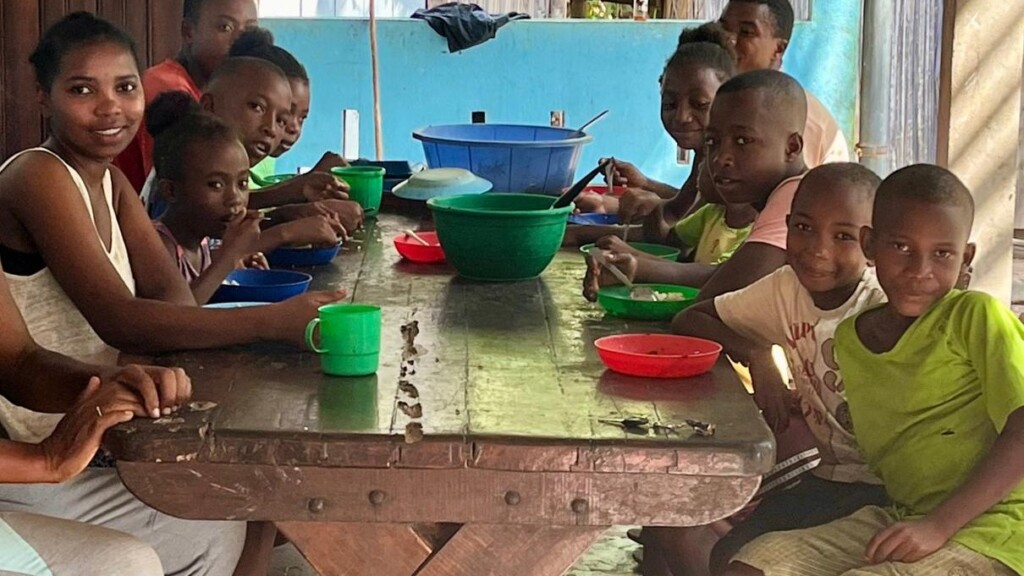
In the heart of Madagascar, where the potential of its youngest citizens shines brightly, a simple, warm school meal is proving to be a revolutionary force. For many children, this isn’t just about satisfying hunger; it’s a profound catalyst, transforming their lives, one nourishing plate at a time. A small meal makes a monumental difference, fueling not just bodies, but futures.
The idea for our non-profit organization truly began with a visit to a local school. I witnessed a kitchen in disrepair and a school lacking the resources to offer its students a meal. Sadly, this wasn’t an isolated incident; visits to other schools in incredibly impoverished villages revealed the same heartbreaking picture. This led me to wonder: what difference could it truly make if we simply ensured children received food at school? That wonder grew into a deep conviction: no child should ever have to learn on an empty stomach.
Imagine a child trying to learn on an empty stomach. Concentration wavers, energy levels plummet, and the joy of discovery is overshadowed by the gnawing ache of hunger. The idea for NORA–Madagascar sparked from precisely this observation: a collapsed school kitchen, symbolizing a fundamental barrier to learning. Our mission began there, rooted in the understanding that an educated mind requires a well-nourished body.
For more than a century, countries worldwide have recognized school meals as a powerful tool against hunger and a relief for struggling families. But today, amidst global crises such as failing food systems, malnutrition, educational challenges, economic instability, and climate change, we understand that school meals are far more than just a plate of food. School meals can unleash a cascade of positive effects that contribute to sustainable development.
More Than Just Food: An Investment in the Future That Creates Ripple Effects
When we talk about school meals, we’re talking about a fundamental investment in the future of children and the well-being of entire communities. Here’s why the humble school meal we serve makes such an incredible difference:
- Better Health and Well-being for Our Children: A nutritious midday meal is crucial for children’s physical development. It combats malnutrition, which unfortunately remains a significant challenge. It strengthens the immune system, and provides the energy needed to play, explore, and grow. Studies from The Gambia have shown significantly improved food security and increased dietary diversity among schoolchildren, especially girls. This is the foundation for a healthy and vital life.
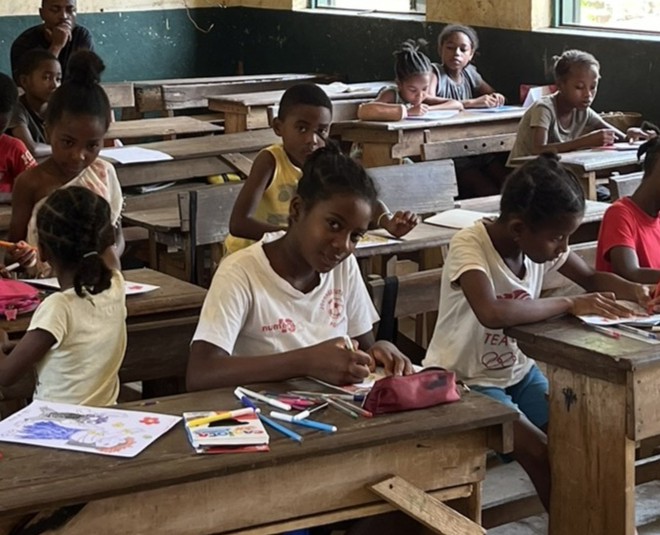
- Increased Learning, Concentration, and Mental Well-being: Have you ever tried to concentrate on an empty stomach? It’s almost impossible! For a child at school, it’s no exception. School meals improve children’s ability to focus in class, participate actively, and absorb new knowledge. They reduce fatigue and provide the mental clarity they need to thrive academically. Even more incredibly, studies from The Gambia have shown a 20% reduction in stress and a 25% reduction in depressive symptoms among children receiving school meals. A full, healthy child is a child who can learn, thrive mentally, and build a better future.
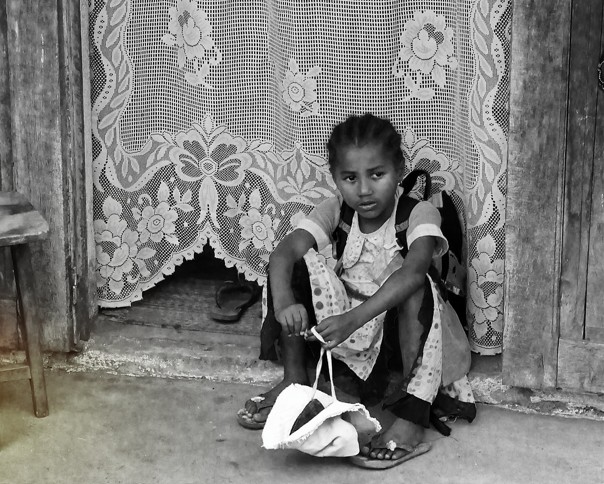
- Less Absence and Higher Attendance: When a meal awaits at school, it provides a strong motivation to show up. Families struggling to put enough food on the table are more likely to send their children to school when they know a meal is available. This leads to significantly lower absenteeism and higher attendance, which is crucial for continuous and effective education. School meals create a more stable and engaging learning environment for everyone in the community. This simple provision can be the difference between a child attending classes regularly and dropping out to seek work or food.
- Empowering Women and the Local Community: School kitchens are more than just places where food is prepared—they often become vital community hubs. By involving local women in cooking and sourcing ingredients, we create local jobs and strengthen the local economy. A pilot project in Jordan, where women prepared fresh, locally sourced food, resulted in a tripling of individual incomes for participants and a 33% increase in household income. These women also reported increased life satisfaction, and their male family members showed more progressive attitudes towards women’s earnings. This is about building bridges. It is about fostering a sense of community, and granting women economic independence—and thereby a better life for the entire family.
- Equality and Opportunity for All: School meals can bridge social divides and give all children a chance, regardless of their background. They ensure that even the most vulnerable children receive the nourishment they need, thereby gaining the same opportunities to succeed in school and in life. One meal can be the first step toward breaking the cycle of poverty. For many of the 100 million children who go to bed hungry daily in low- and lower-middle-income countries, school meals make the crucial difference. You can read more about this from the World Food Programme.
Investing in Madagascar’s Future
Ultimately, a school meal is an investment in the future of Madagascar. It’s a fundamental step towards breaking cycles of poverty, improving public health, and cultivating a more educated and resilient generation. When we provide a child with a meal, we’re not just feeding their stomach; we’re feeding their dreams, their curiosity, and their capacity to contribute positively to their world.
For more in-depth information on the broad impact of school meal programs, see studies from IFPRI, Center For Global Development, and the School Meals Coalition.
Your support is crucial for us to continue our heartfelt work. Every contribution, big or small, helps us build more kitchens. It enables us to purchase more local ingredients. To reach more children who desperately need it. Together, we can ensure that more children in Madagascar have the opportunity to learn, grow, and realize their full potential.
Do you want to help make a life-changing difference?
Want to read more about the importance of school meals?
- Do School Meals Boost Education in Low- and Middle-Income Countries? A 15-Year Review | Center For Global Development
- World Food Programme