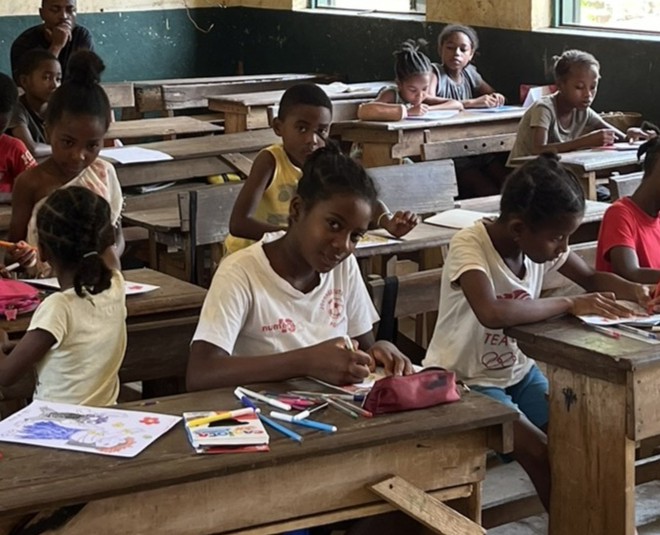
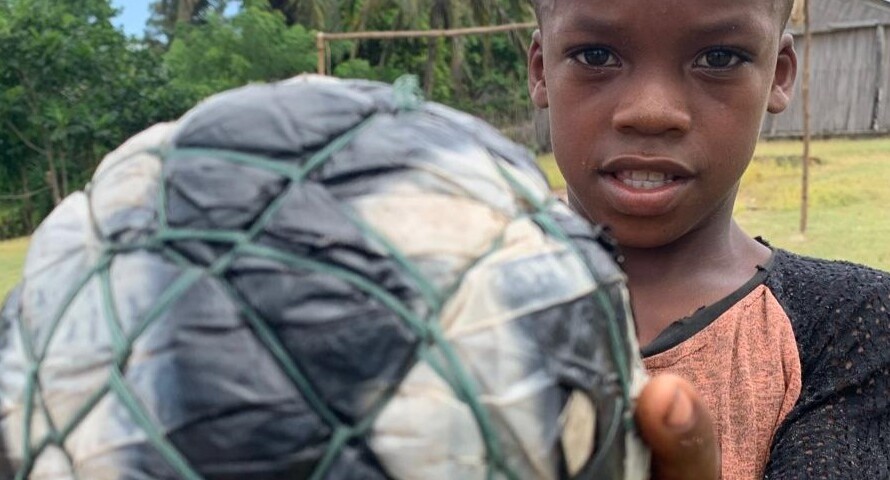
The Faces of Madagascar: the fantastic mosaic of the Malagasy people
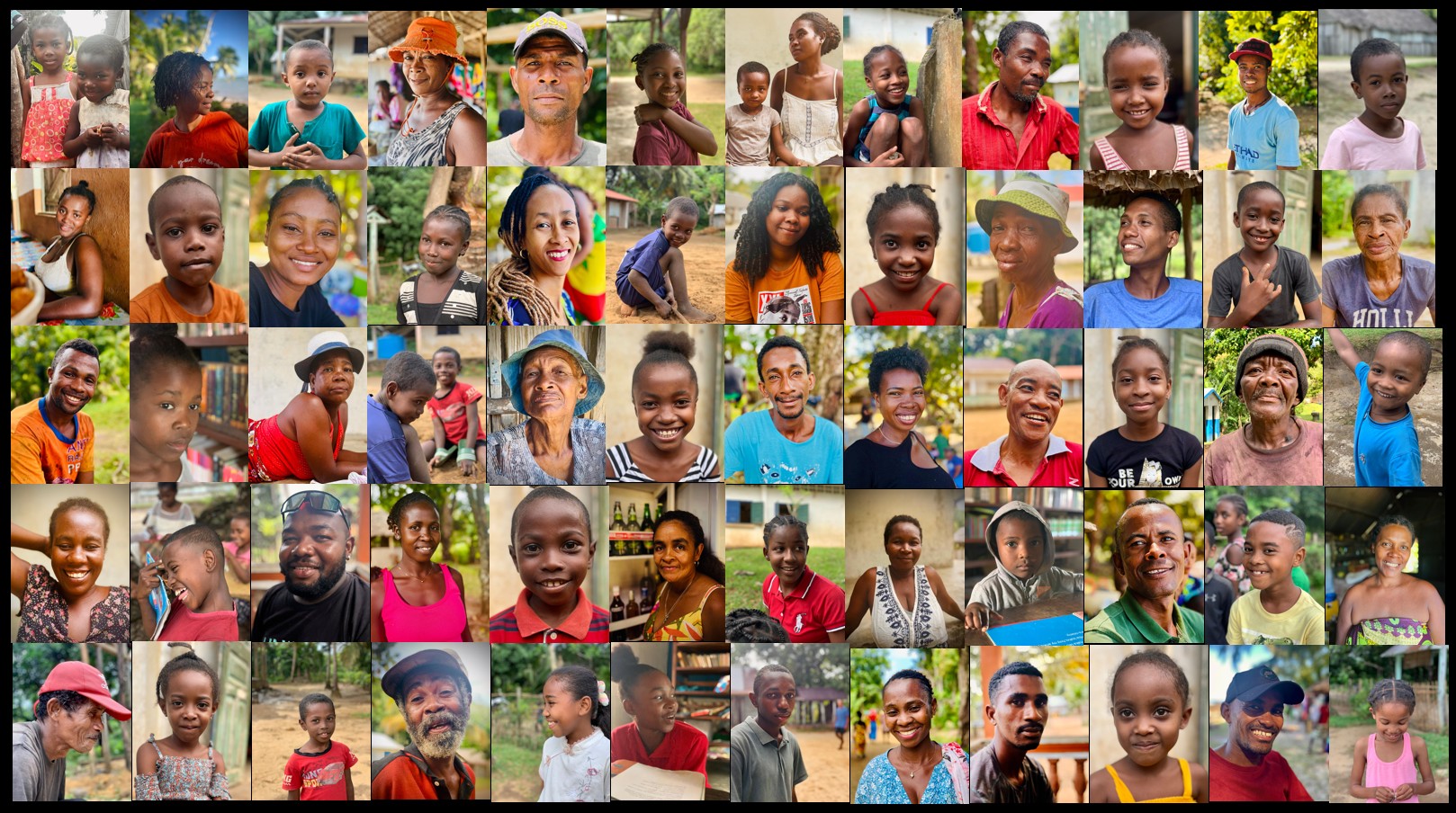
There is one thing that from day one captured me just as much as the absolutely breathtaking nature of Madagascar: the fantastic mosaic of the Malagasy people.
The people of this great red island, comprising 18 major ethnic groups, exhibit stunning physical and cultural diversity resulting from a unique history of migration!
The early migration from Borneo/Indonesia, people sailing over the vast Indian Ocean from Southeast Asia, brought the initial language and many physical traits—often associated with the people of the Central Highlands. This was followed by ongoing migration from the East African mainland.
This mix of heritage has resulted in the beautiful ‘many faces’ of Madagascar that I have been so fascinated by and have immensely enjoyed documenting with simple phone portrait snapshots during the past 8 months. Even right here on Île Sainte Marie, where I live and through our NORA work meet so many people, the physical range is incredible, showing how thoroughly Asian and African ancestries, blended by internal migration, paint the stunning diversity of single regions today.
The Diversity Beyond Apperance
The diversity is apparent in not only the physical differences but also culturally and very much so in the language with significant dialectal variations that define regional identity. Just like the land offers an amazing diversity in nature – providing in different ways to the people in the North, South, East, and West – you encounter the same diversity in the faces, the traditions, and the rituals.
It’s in the architecture, the traditional hairstyles, the colors and style of the Lamba, the traditional cloth. The Lamba, worn by both men and women across all regions, reflects the island’s many faces, with types varying by region, material, and ritual function. The Lamba is involved in almost every stage of a Malagasy person’s life: at birth, marriage, in daily life, and in mourning. The cloth’s deepest meaning is how it connects the living generation to the deceased (Razana) through shared tradition and its use in funeral rites.
The Malagasy Spirit: Unity and Fihavanana
But despite the thousands of miles separating their ancestral origins and the variations in their customs, the Malagasy people are bound together by a single, powerful moral force: Fihavanana (kinship, harmony, and mutual support).
Fihavanana is the unwavering pursuit of peace and cooperation; it is the fundamental belief that relationship is more important than money or material wealth. It is the core of their resilience and their spirit.
The Lamba perfectly embodies this balance: it demonstrates both the ethnic diversity (through regional styles) and the profound cultural unity of the Malagasy people (through its universal symbolic importance in ancestor reverence).
The beauty truly is in the diversity itself, unified by this profound shared spirit.
If you want to read more, have a look here:
The History of Human Genetic Ancestry in Madagascar (Oxford Academic)
Malagasy peoples – Wikipedia (Comprehensive Overview)
About the Lamba: The colorfulcloth