Why Madagascar’s Children Need Your Support: Understanding the Challenges

Madagascar, a land of unparalleled biodiversity and vibrant culture, harbors a quiet crisis that deeply affects its most vulnerable population: its children. While their resilience is remarkable, millions of Malagasy children face a daunting array of daily challenges that jeopardize their health, education, and fundamental right to a safe and promising future. Understanding these intricate obstacles is the first step towards truly making a difference.
The Grip of Poverty and Malnutrition:
Poverty is arguably the most pervasive challenge. With a significant portion of the population living below the poverty line, families often make impossible choices between food, healthcare, and education.
This dire economic reality directly fuels a severe crisis of child malnutrition. Madagascar has one of the highest rates of chronic malnutrition (stunting) globally. This isn’t just about hunger pangs; it’s a long-term nutritional deficiency that impairs physical growth and, critically, cognitive development. A stunted child struggles to learn, is more susceptible to illness, and faces a lifelong battle against disadvantage, perpetuating an intergenerational cycle of poverty.
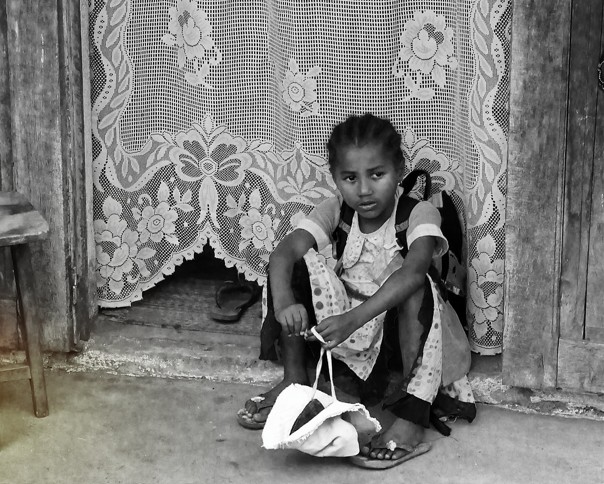
For families, securing even one nutritious meal a day for their children can be an overwhelming struggle, often leading to school absenteeism as children are pulled out to contribute to household income or simply lack the energy to attend.
Barriers to Education:
The dream of education, a powerful ladder out of poverty, remains out of reach for too many Malagasy children. While primary school enrollment rates may seem promising on paper, the reality of school dropouts is alarming.
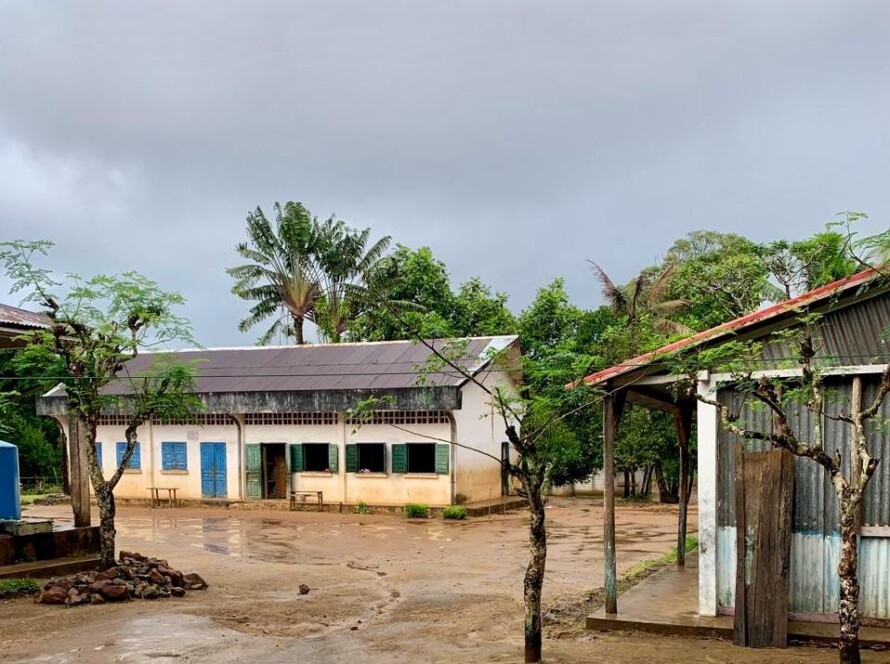
Factors like the hidden costs of schooling (even in public institutions), the distance to schools in rural areas, and the demand for child labor force children out of the classroom.
Beyond access, the quality of education is often a significant concern. Overcrowded classrooms, a shortage of trained teachers, and a lack of basic learning materials hinder effective learning. Many children finish primary school without basic literacy and numeracy skills, a clear indicator of a “learning poverty” where formal schooling doesn’t translate into actual learning.
Inadequate Healthcare Access:
Access to basic healthcare is a luxury for many. Remote communities are often miles away from the nearest health facility, and even when accessible, these centers are frequently under-resourced, lacking essential medicines, equipment, and trained personnel.
This means that preventable diseases, like malaria, diarrhea, and respiratory infections, continue to claim young lives at an alarming rate. Low vaccination coverage leaves children vulnerable to outbreaks, further impacting their health and ability to attend school. For pregnant women and new mothers, the lack of quality maternal and child health services contributes to high rates of infant and maternal mortality.
The Intensifying Threat of Climate Change:
Madagascar is on the front lines of the climate crisis, experiencing increasingly frequent and severe natural disasters. Cyclones, floods, and prolonged droughts devastate communities, destroy homes and schools, and decimate agricultural land, exacerbating food insecurity and displacement. The southern regions, in particular, have faced repeated droughts leading to severe food shortages.
These environmental shocks disproportionately affect children, disrupting their education, increasing their exposure to disease, and forcing families into deeper poverty and difficult coping mechanisms like early marriage or child labor. The scarcity of safe drinking water and inadequate sanitation, often worsened by climate events, further contribute to waterborne diseases and malnutrition.
These challenges are interconnected, forming a complex web that traps children in a cycle of vulnerability. At NORA – Madagascar, we recognize the urgency of these issues. Our school meal program directly addresses malnutrition and improves school attendance, laying a vital foundation. By also creating safe spaces for learning and personal development, and working closely with local communities, we strive for holistic solutions.
Your support isn’t just a donation; it’s an investment in breaking these cycles, offering a lifeline of opportunity, and building a brighter, more resilient future for Madagascar’s children.